Event: Launch of the Tech Policy Design Fund & Release of Tetris for Australia’s Future
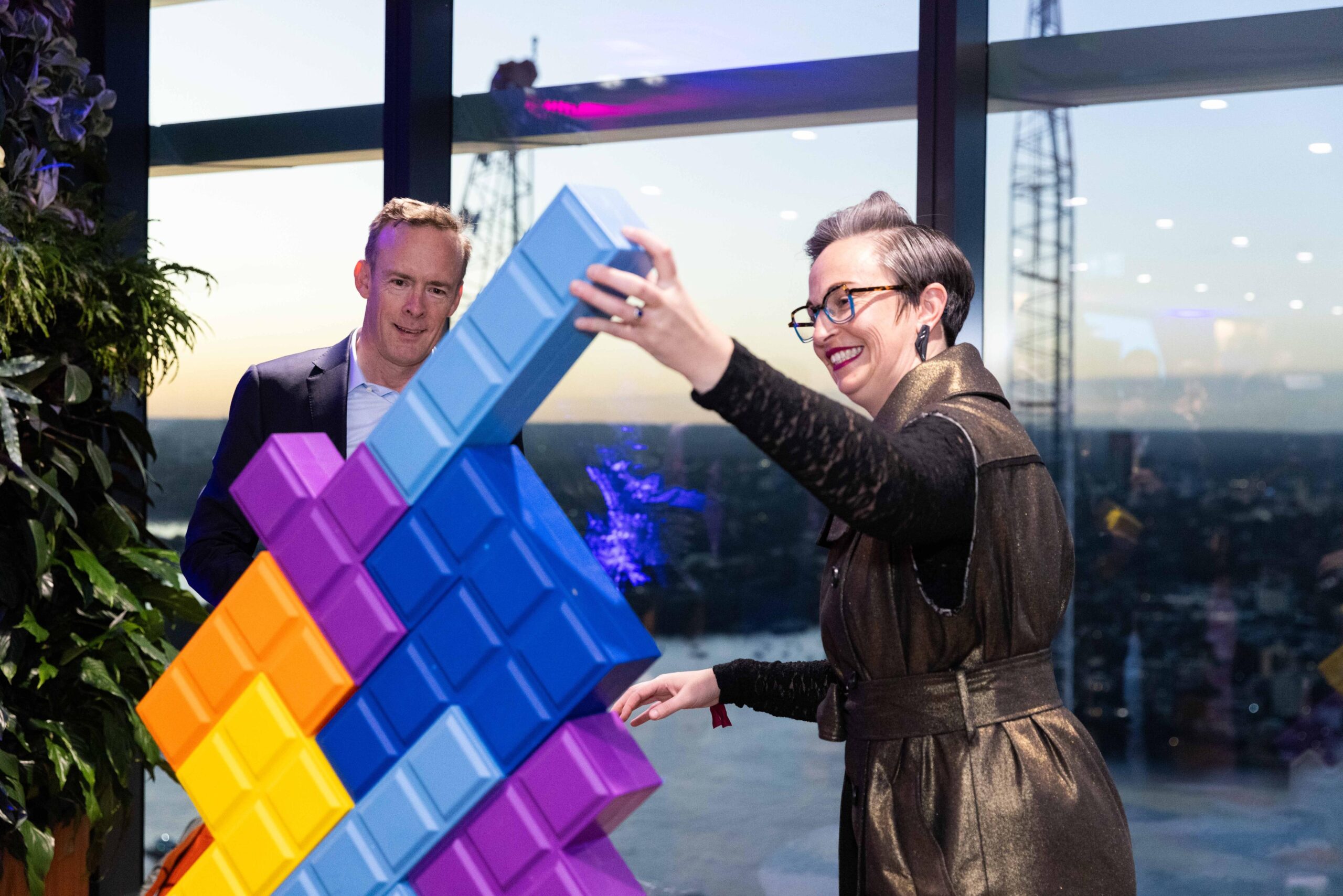
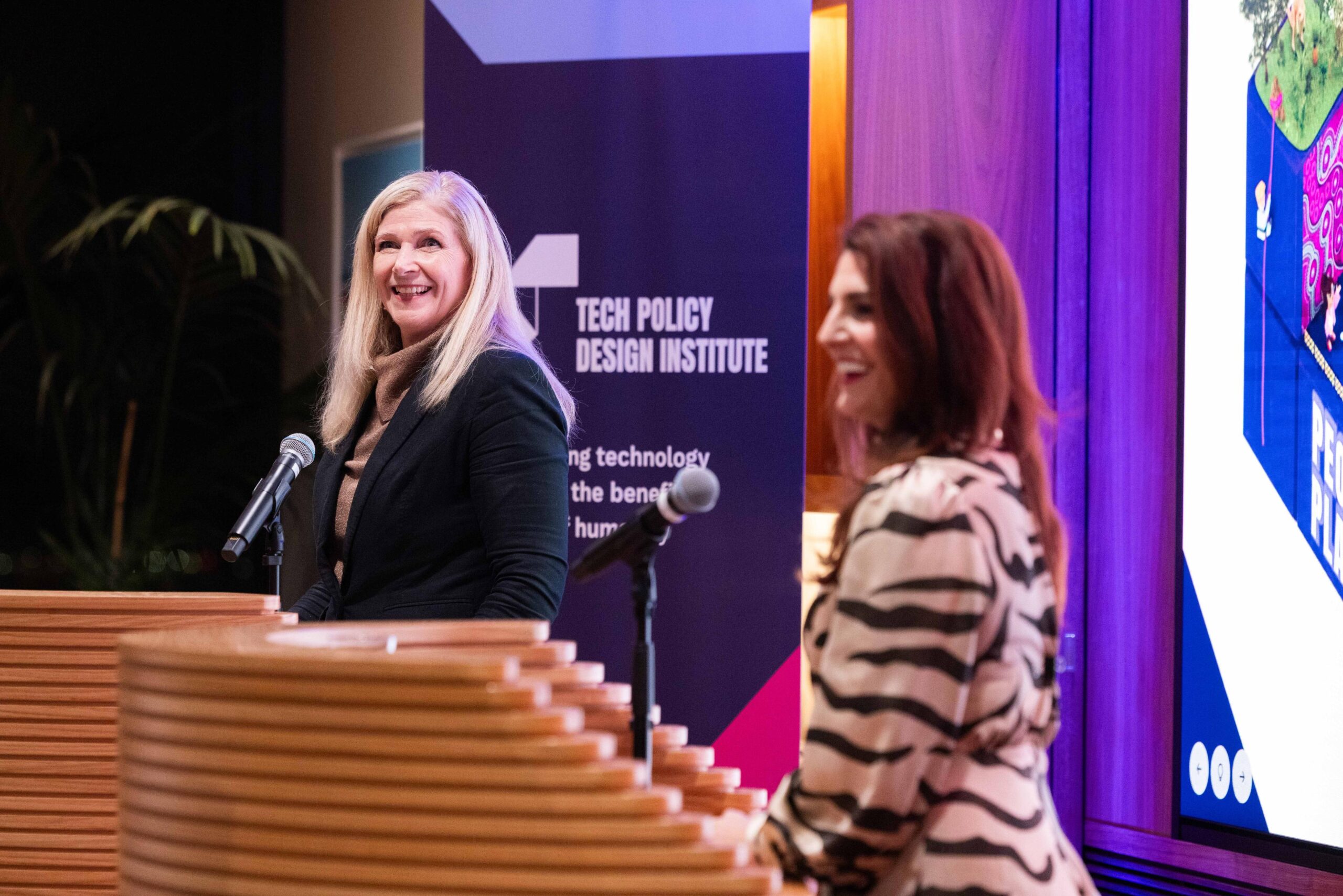
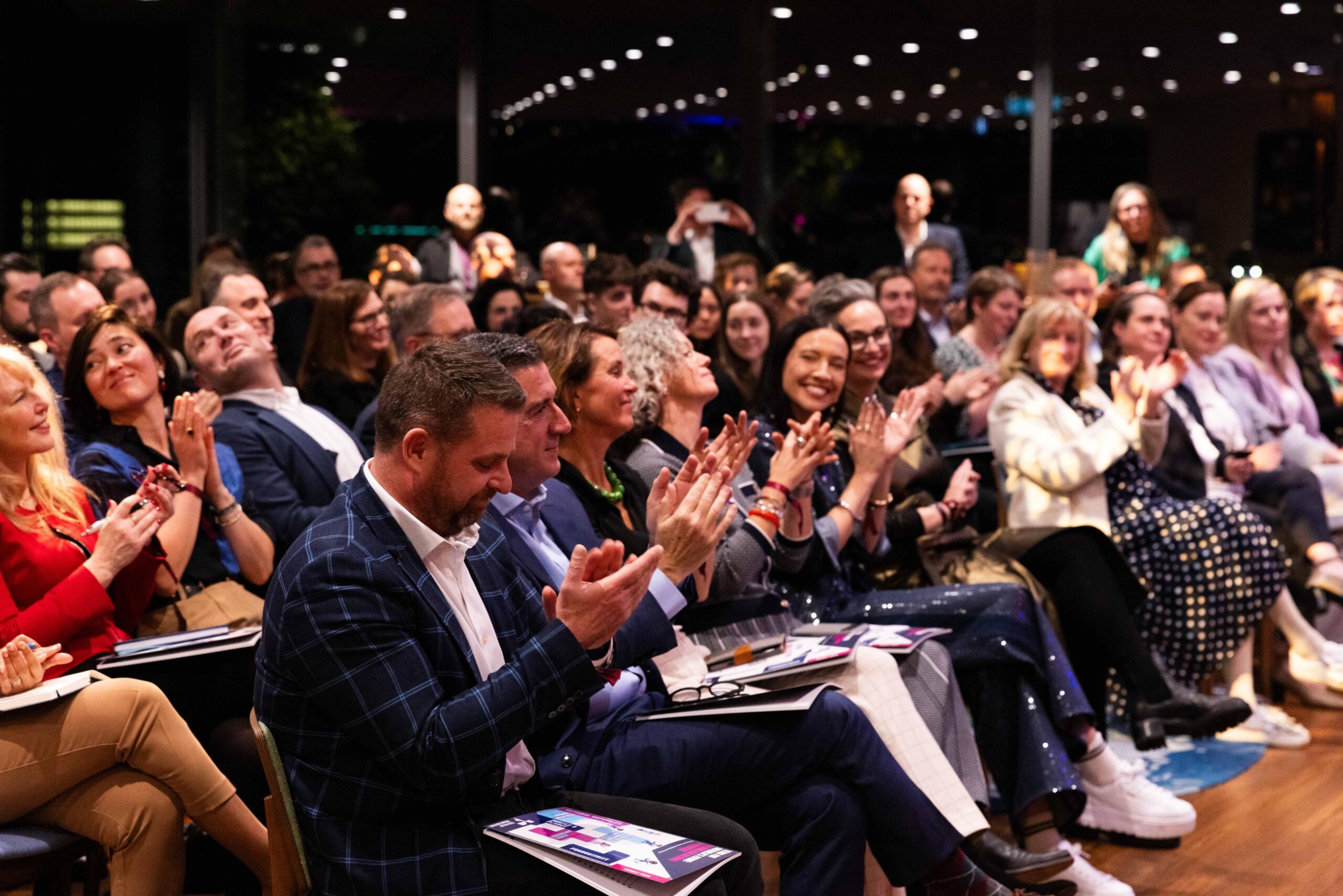
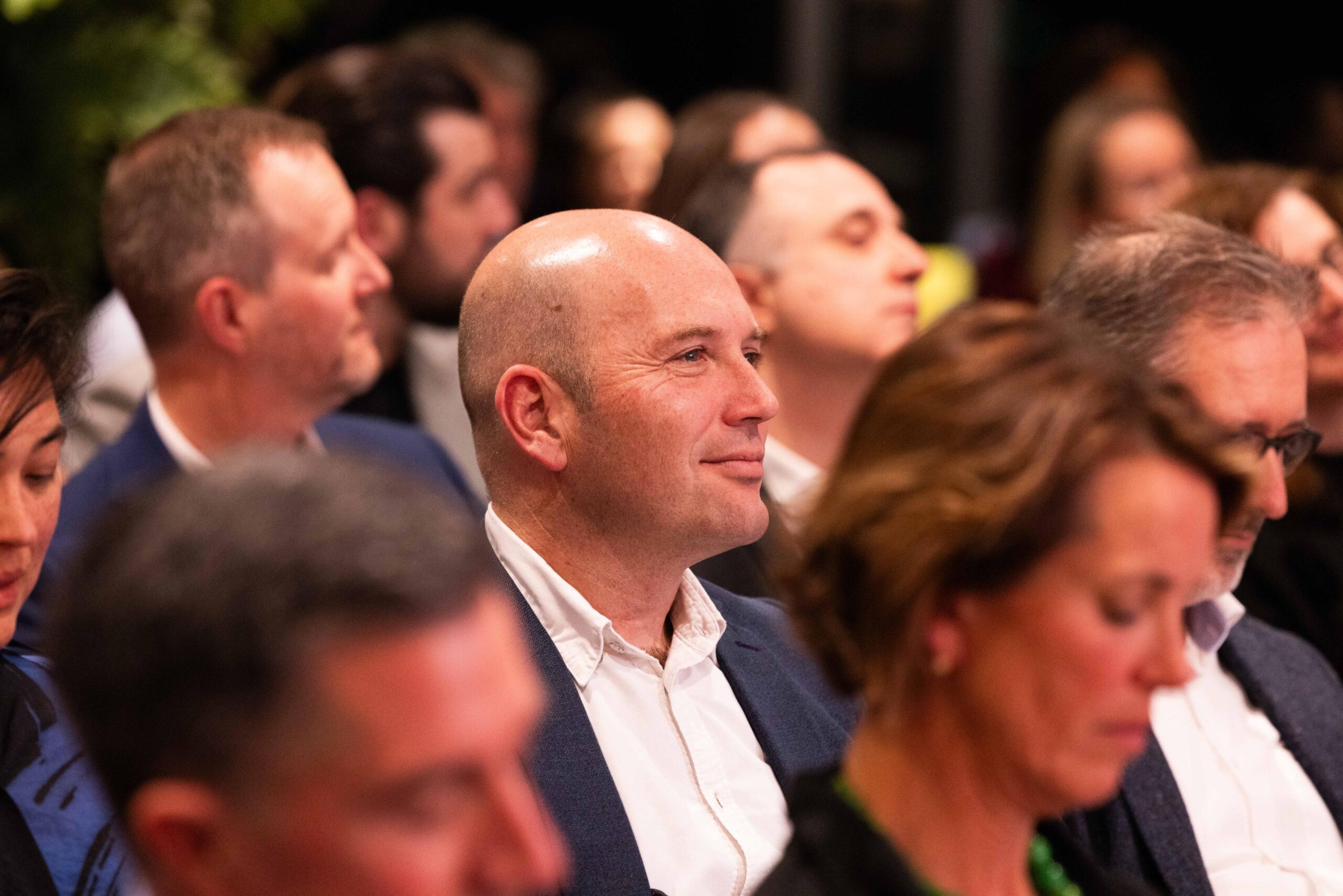
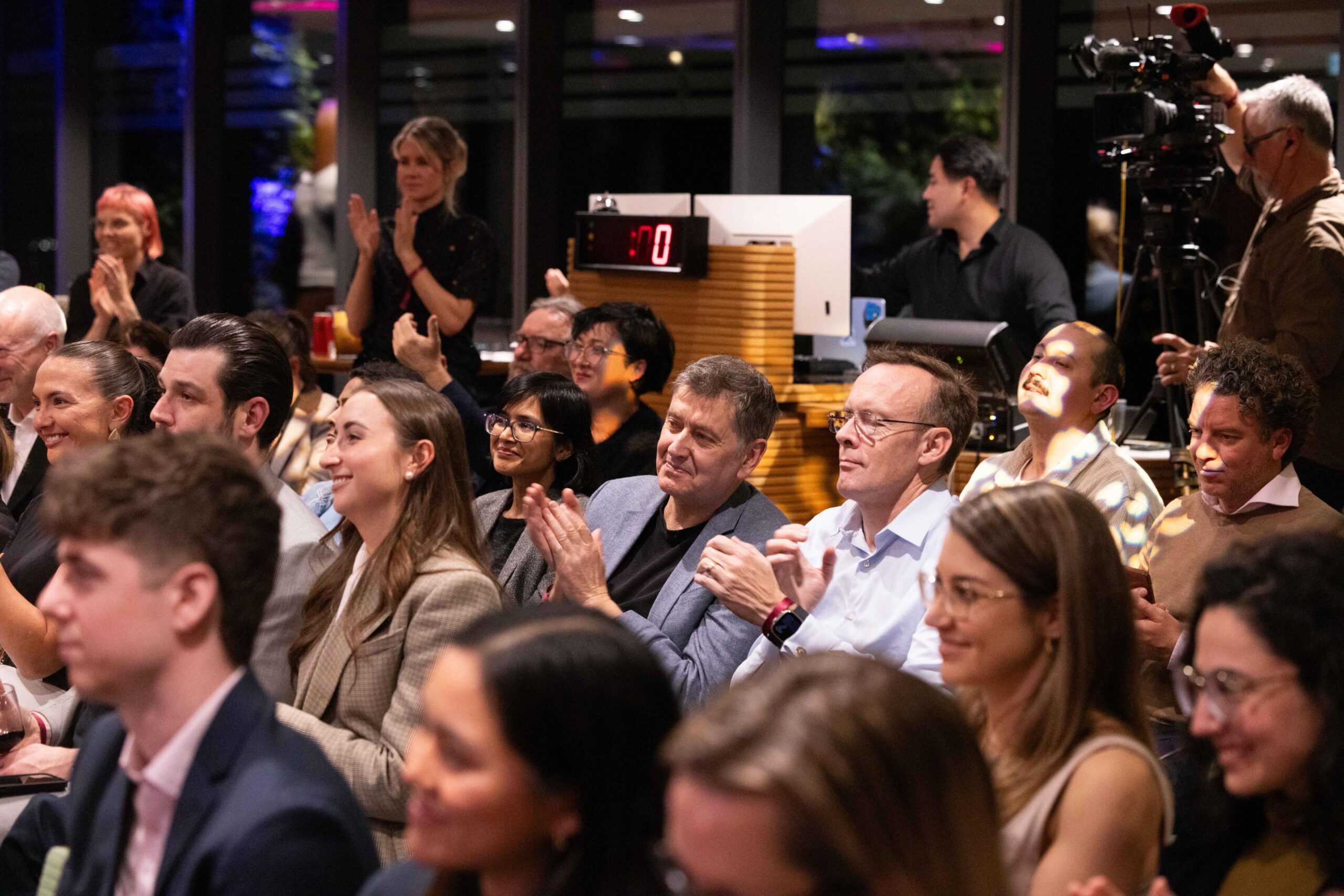
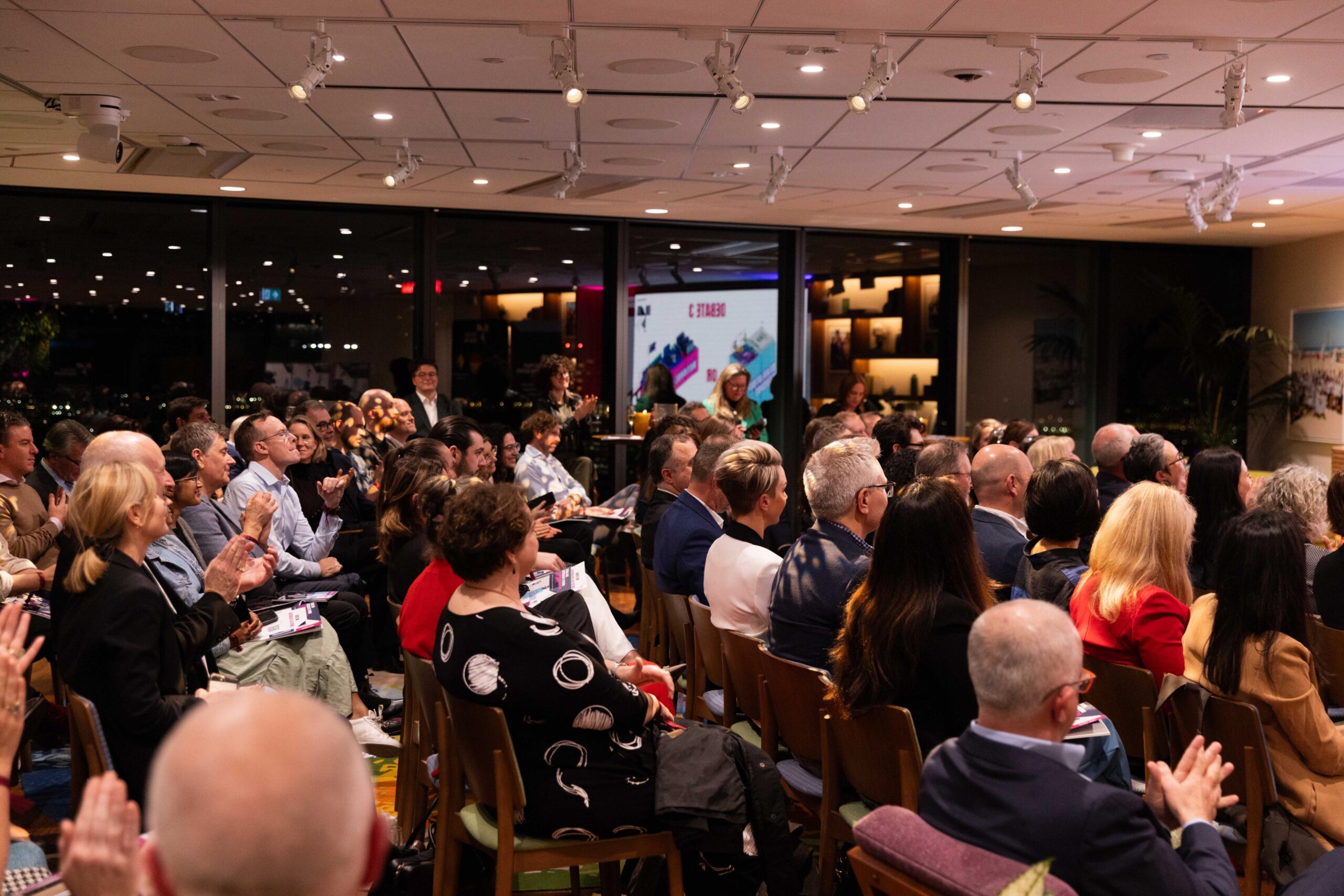
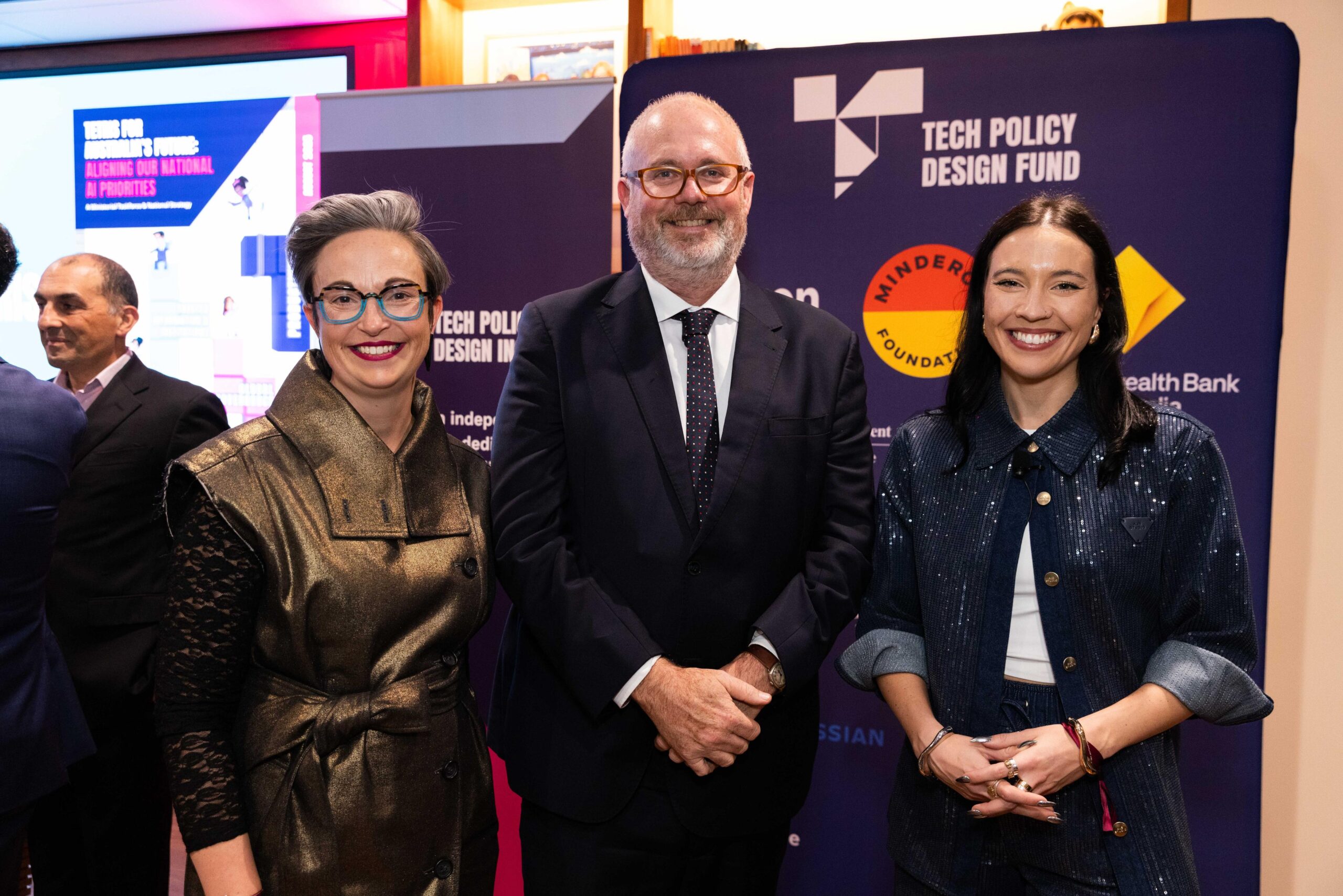
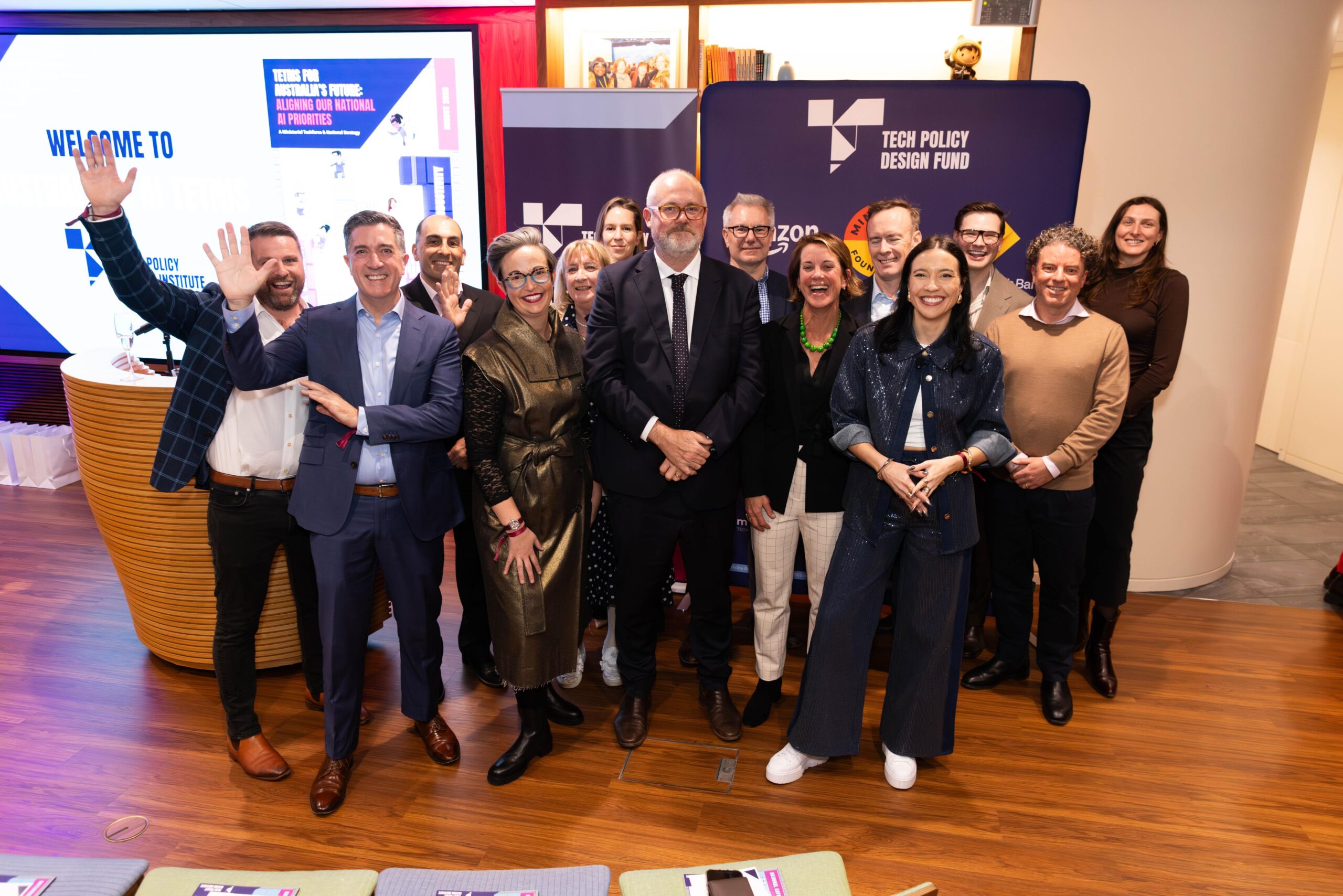
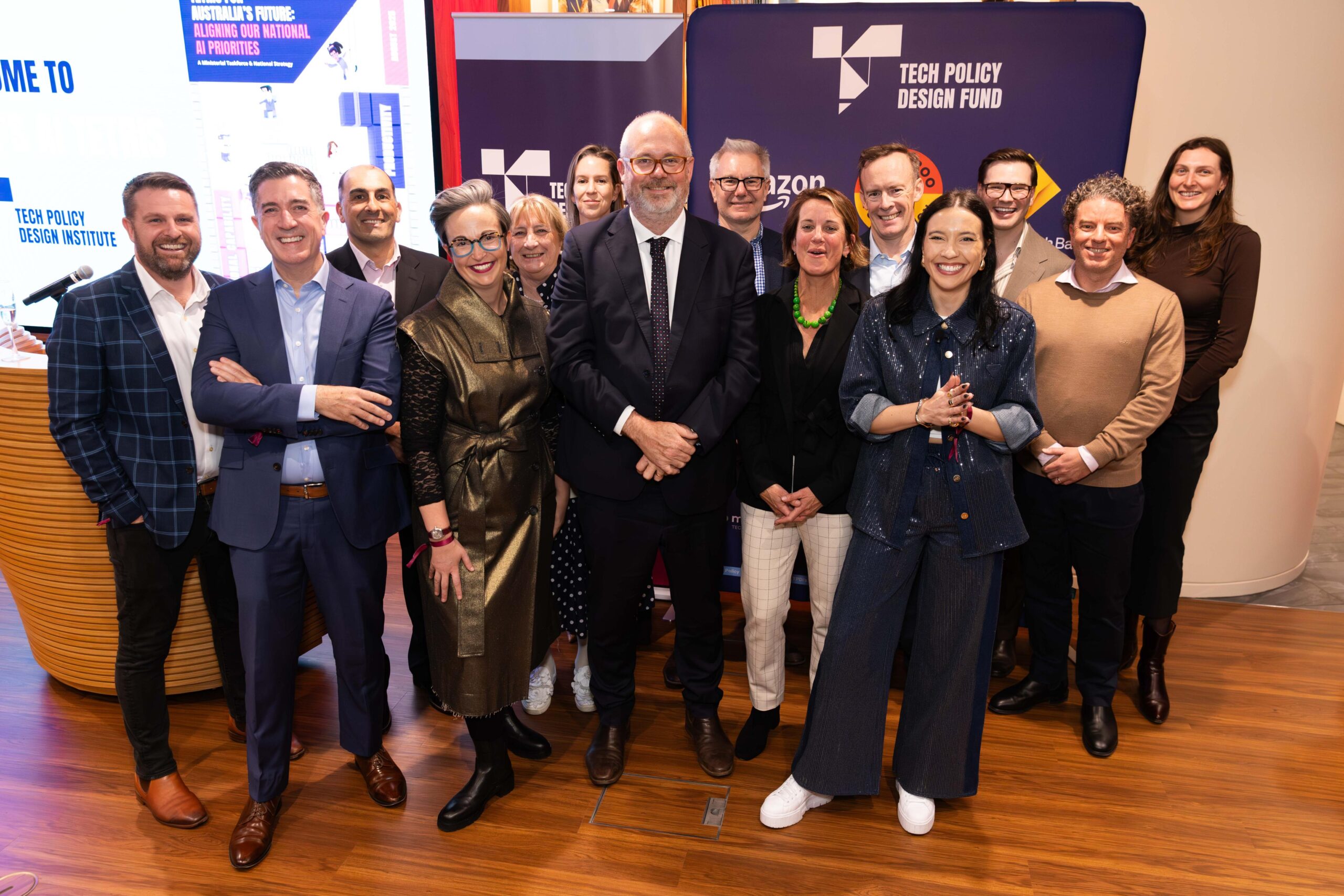
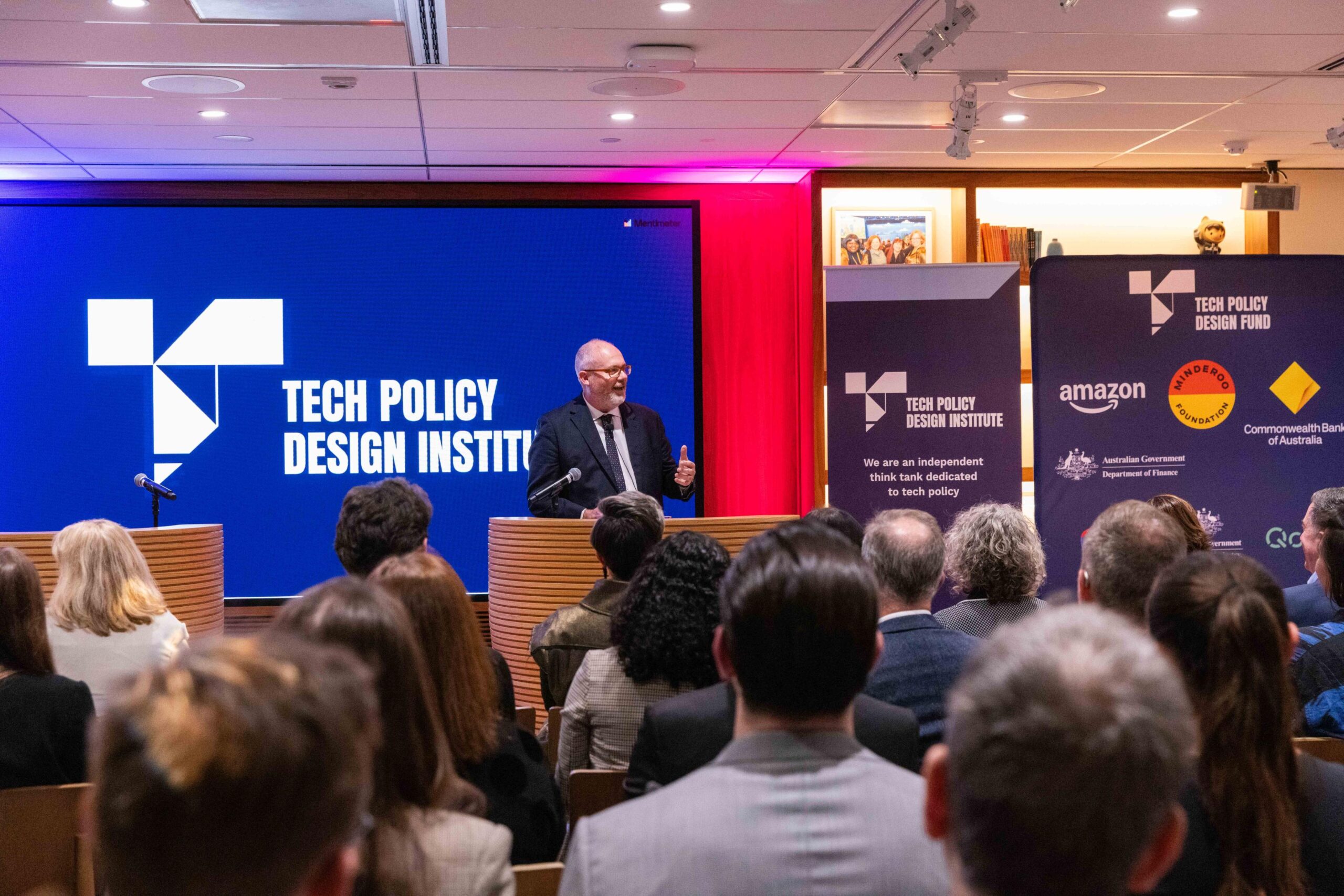
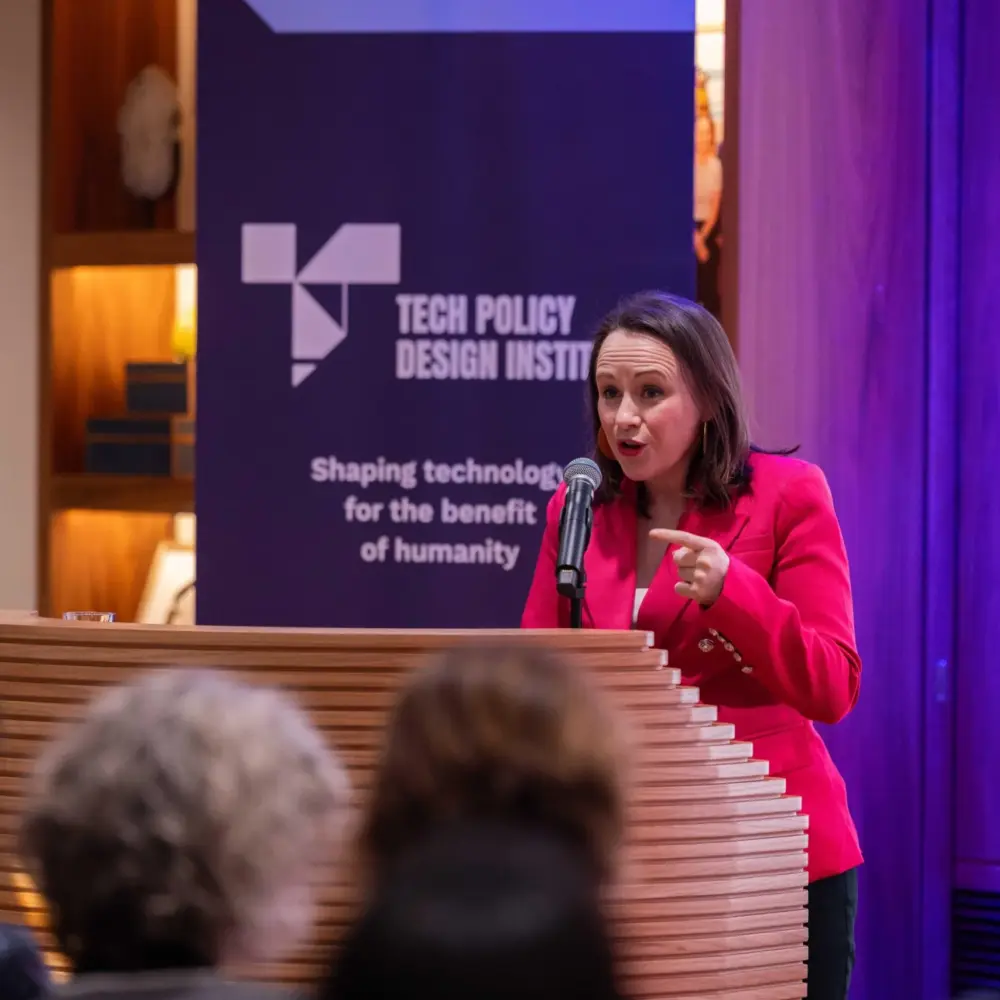
On Wednesday 6 August, the Tech Policy Design Institute hosted Minister Ayres, policymakers, industry leaders, civil society, and technologists at Salesforce Tower, Sydney to celebrate the:
- Launch of TPDi’s Tech Policy Design Fund and
- Release of TPDi’s latest Tech Policy Spotlight, Tetris for Australia’s Future: Aligning Our National AI Priorities.
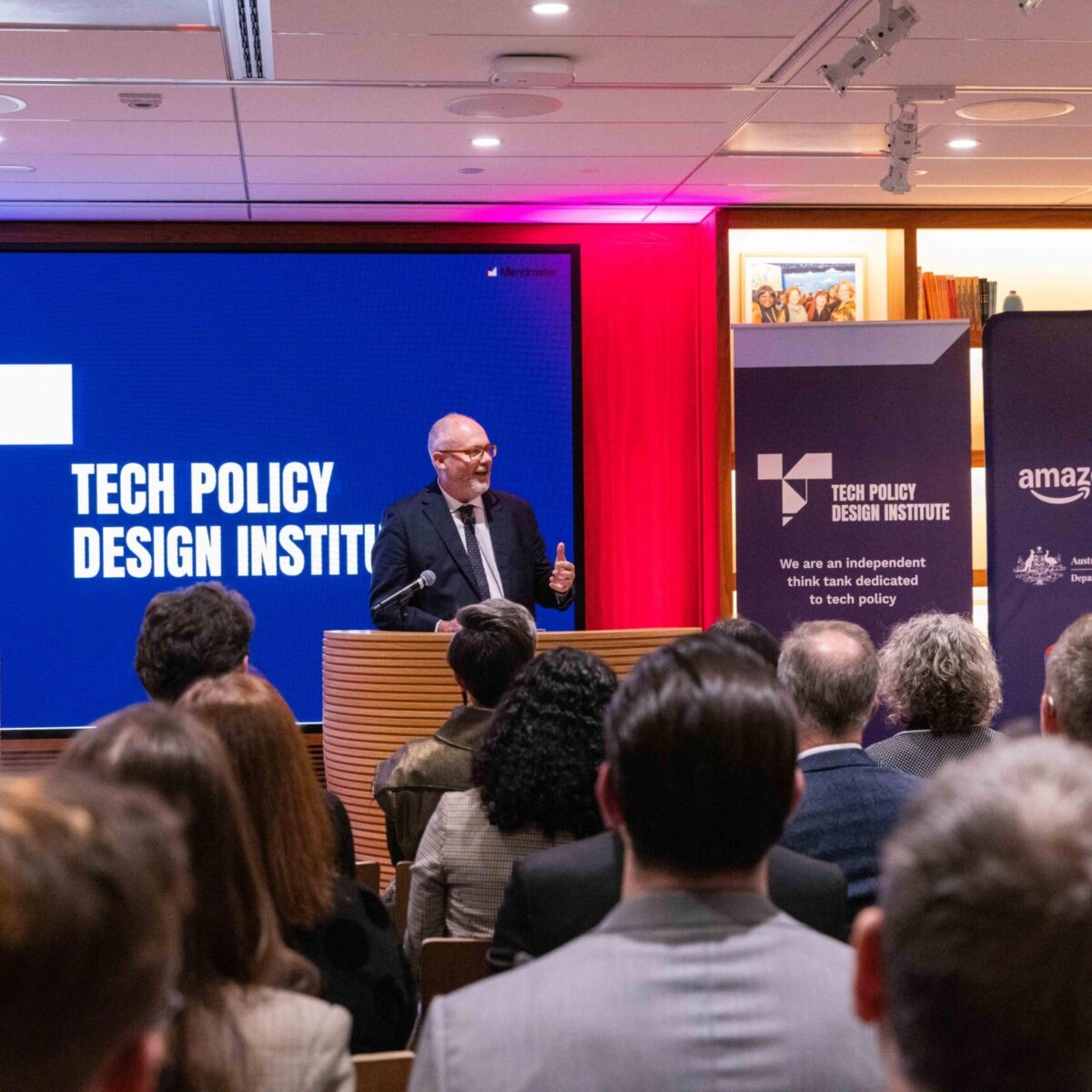
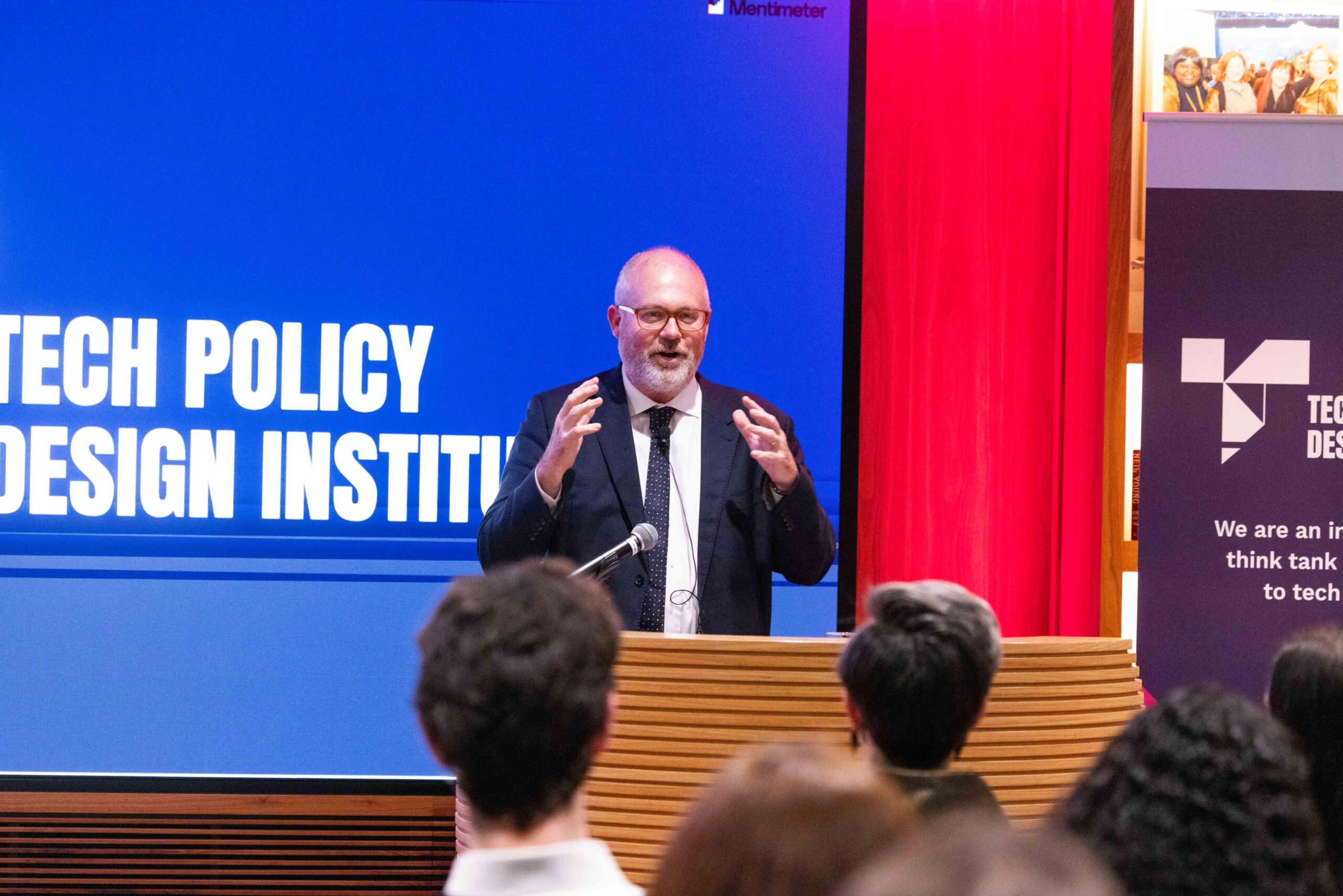
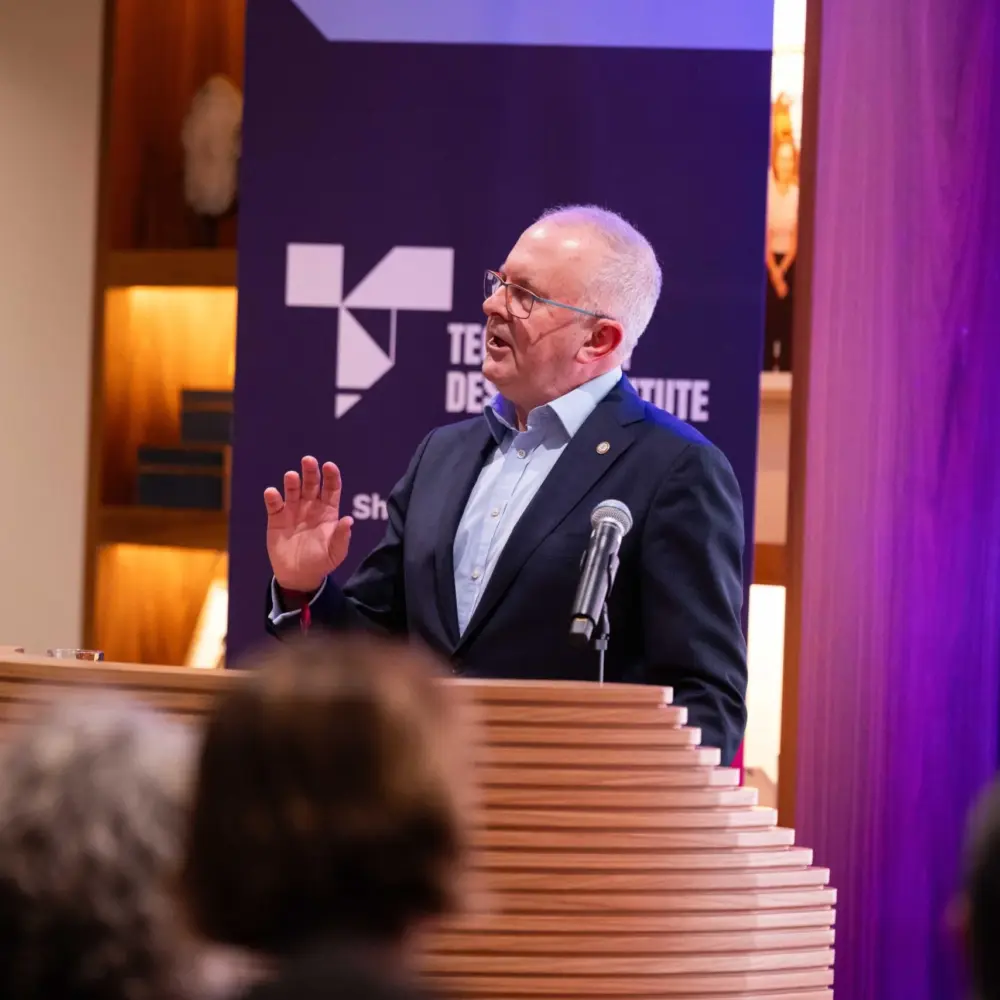
Senator the Hon Tim Ayres, Minister for Industry and Innovation, and Minister for Science, delivered the keynote address, congratulating TPDi on the launch of the Tech Policy Design Fund and welcoming the contribution of TPDi’s Tech Policy Spotlight to Australia’s AI agenda.
I’m really excited about this think tank’s future – its leadership, its capacity to shape the debate.
Senator the Hon Tim Ayres, Minister for Industry and Innovation, Minister for Science
Watch the highlights reel of the launch event
Senator the Honorable Tim Ayres – Speech at Tech Policy Design Institute Fund launch
I acknowledge the Gadigal people of the Eora Nation, the Traditional Custodians of the land on which we meet this evening. I pay my respects to Elders, past and present, and extend that respect to all First Nations people here with us.
I want to acknowledge Johanna Weaver, Zoe Jay Hawkins, and Sunita Kumar first of all. I know that this is a celebration, as far as they are concerned, of your support for this remarkable and important initiative. But actually, I think it’s a celebration of their courage and leadership on this question of what is going to be a really prominent and important contributor to a pretty important debate for Australia.
Sassoon Grigorian and the team at Salesforces – what a remarkable place. What an incredible building. I’m an old-fashioned character – this is so bright!
I’m told that the way this evening’s going to happen is, there’s going to be my speech and then fun. There’s a very strong sort of line between those things.
And Gisele Kapterian, the Senior Director of Public Sector Strategy at Salesforce, I want to acknowledge you as well. It takes courage to stand up and run for parliament, and I might not have voted for you, but it takes courage and it’s really good to see prominent, talented Australians standing up and having a go.
Speaking of politicians, Paul Fletcher, former minister and former Member for Bradfield – I wanted to acknowledge you and your contribution to this area of policy in particular.
I see my old colleague Tom Rogers, former Australian Electoral Commissioner. I wanted to acknowledge you and for your work in an area of policy that matters so much for our democratic resilience and the stability of our democratic institutions. And of course, some of these issues will engage with that.
And I acknowledge all of the other people who have been engaged in this giant effort.
As you look around this room, it doesn’t look like what most Australians think about when they think about the tech sector. I don’t see a single black skivvy. There’s a lot of sparkles, and there’s a lot of diversity, and there’s a lot of youth. There’s a lot of optimism.
I think that’s a pretty powerful indication of where this sector really is and where the opportunity lies for Australians.
I’ve just come from the Treasurer’s Investors’ Roundtable, which is a group that he convenes from time to time. Like all those kind of events, in an area of policy like this, it reaffirms some of the views that you come to this portfolio and set of issues with, and it makes some uncomfortable, and it shakes you upside down and makes you reconsider your approach to some other questions as well. So, forgive me if the rest of this speech is somewhat disordered.
When he was opposition leader, Tony Abbott famously confessed on The 7:30 Report that he wasn’t a ‘tech head’.
I would offer a slightly gentler approach to explain my orientation as I come to this set of questions. I wouldn’t describe myself as a digital native, if that assists. I’ve spoken to many of you, one to one, in this audience. I come at these issues from the same perspective with which I see the other great industry and economic policy questions that Australia confronts.
It brings a slightly different perspective, and it’s meant that I’ve reached some pretty fast conclusions, actually, about the approach that we ought to take in the national interest.
The same national interest imperatives that drive the Albanese Government’s approach to critical minerals processing, to the future of our iron ore sector – what is the interest in terms of our future national economic resilience and our strategic position in the world, and where does our future competitive and comparative advantage lie? Those two imperatives are precisely the same.
I have found in my life as a trade union official, in particular in what people think of as blue-collar industry, that it’s very unhelpful to imagine that there’s a world that’s blue collar and low tech, and a world that’s white collar and fancy.
It’s very unhelpful, and not actually true.
When I spend time in blue collar workplaces in Australia, particularly successful ones, it’s not just the firms that are big adopters of robotics, automation, digital design platforms and now artificial intelligence. It’s workers who are enthusiastic adopters.
That’s because many of them have very similar technological backgrounds to you. They are fascinated by the opportunity.
Australia has never been a place that has rejected all of the waves of technological change that have come across the oceans and washed through our economy.
AI, quantum computing and autonomous systems, they should not be regarded any differently to the other waves of technological change. They engage precisely the same kind of national interest questions.
It is an unmissable opportunity for Australia.
It’s been talked about, of course, in the context of the treasurer’s productivity roundtable, in terms of how it enables productivity growth for Australian workers and Australian workplaces.
There are enormous figures attached to these things, and varying predictions about what is going to happen in our economy.
But also, if we think about this with purpose, it’s also about deepening our national capabilities. That’s language that the industry policy community would say when what they really mean is our capacity to solve big national problems and deal with challenges.
There is, of course, a contest, not over just where investment should occur and where technology is adopted, but a contest that is rooted in the national security and geopolitical implications of economies allowing themselves to fall behind on these questions.
Weak productivity growth is a feature of every industrialised economy including ours. Australia cannot afford to be complacent about the productivity challenge.
Lifting our relative productivity performance over time is absolutely instrumental to the future standard of living that Australians will experience, as well as our broader security and the broader wellbeing of our economy.
My approach, my orientation on these questions, starts from the premise that Australia must lean in hard to the opportunity. There is a first-mover advantage in investment terms. There’s a first-mover advantage in artificial intelligence adoption and diffusion through our workplaces and through our workforce.
There is an enormous advantage in us supporting and growing our tech sector for the new technologies, the new platforms, the new ways of working, the new products that will do so much for us.
That’s why I think that this organisation, and this event, are a really helpful development.
There’s a sort of cartoon drawn in the national newspapers of the debate about artificial intelligence. It’s an effort to pit one element of the political system against another, institutions, businesses against unions, civil society against the tech sector.
But I come at this with enormous optimism.
When I talk to those groups directly and individually, there’s so much more agreement on the requirement for change and adoption and investment than the sloganeering that occurs from time to time.
When you get Australians in a room together on these questions, of course they represent their sectional interest. But you can really see in this roundtable process people focusing on the Australian interest.
I don’t think it should be controversial, really, that we want civil society, our trade unions, our business organisations, everybody at every level of government, the tech sector itself, engaged in a big national conversation about these questions.
A couple of days after I was appointed, I fronted up to an Australian Financial Review conference and said the above, and I thought it was uncontroversial. The following day, there was a headline for an opinion piece in the Financial Review the following day that just said, ‘Tim Ayres is wrong’. (The day before, on the front page, it had said ‘Ayres rock solid on superannuation’. They didn’t wait too long to get the Ayres rock joke out.)
I went home that evening – there was a copy of the Financial Review on the dining table, opened at the right page. My son, who’s never picked up the AFR, had it in his bedroom. We’re going to have a lot of fun with that.
What we need is evidence-based, thoughtful material for policymakers and business and civil society to consume and engage and argue with and use as the basis for policymaking in this area.
Not just policymaking, not the way that we approach the regulation question, but also how we build capacity and engage people with these questions.
Professor Elanor Huntington, who has just been appointed Deputy of the CSIRO, one of our finest minds in science and public policy – I noticed that she said, ‘AI does not happen to us. Choices made by people determine its future’. There are a few echoes of that through the document as well.
But there’s a hopelessness about the sort of cartoon argument about artificial intelligence and new technology as if it’s just a thing that humans don’t have agency over, that Australians can’t shape.
My view is that, by adopting early, by giving workers the skills and business the capacity, lifting management capability to deal with these things, by investing in digital infrastructure, let’s give Australia a stake in the system. Let’s allow us to shape the future and be creative about it. Let’s give more Australians a say, not less. Let’s not shut each other out of what I think is going to be one of the most transformative opportunities for technological change in our economy.
We’ve all got a responsibility here. I’m very keen to play my role. And I’ll always say to industry and industry participants, I want you to step up and participate in the debate and take responsibility for it as well.
I really am very grateful for this event – though your work is much bigger than one event – it’s a real honour to speak with you. I’m really excited about this think tank’s future, its leadership, its capacity to shape the debate.
I wish you all the very. I thank you all for your support for this important work.
Launch: the Tech Policy Design Fund
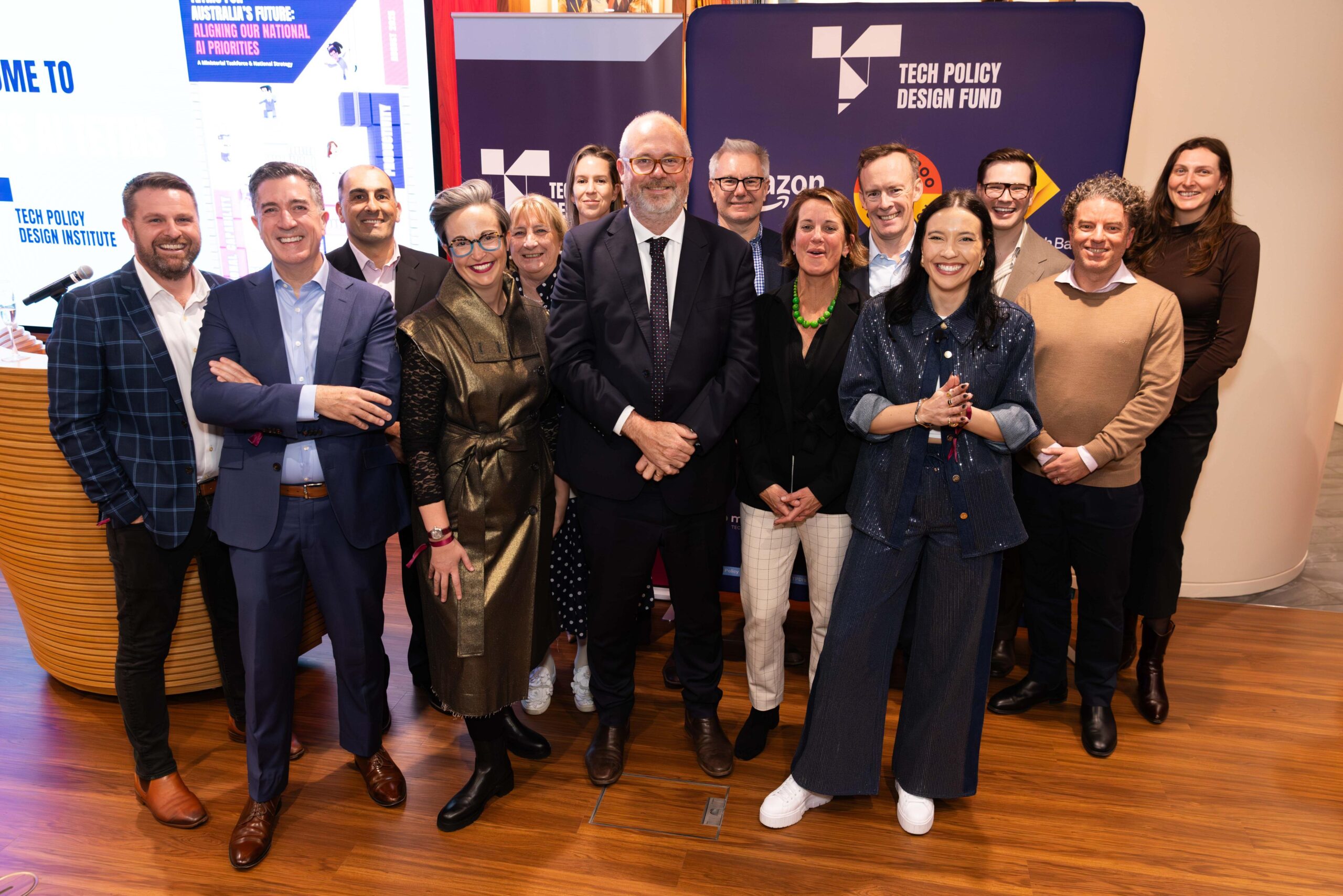
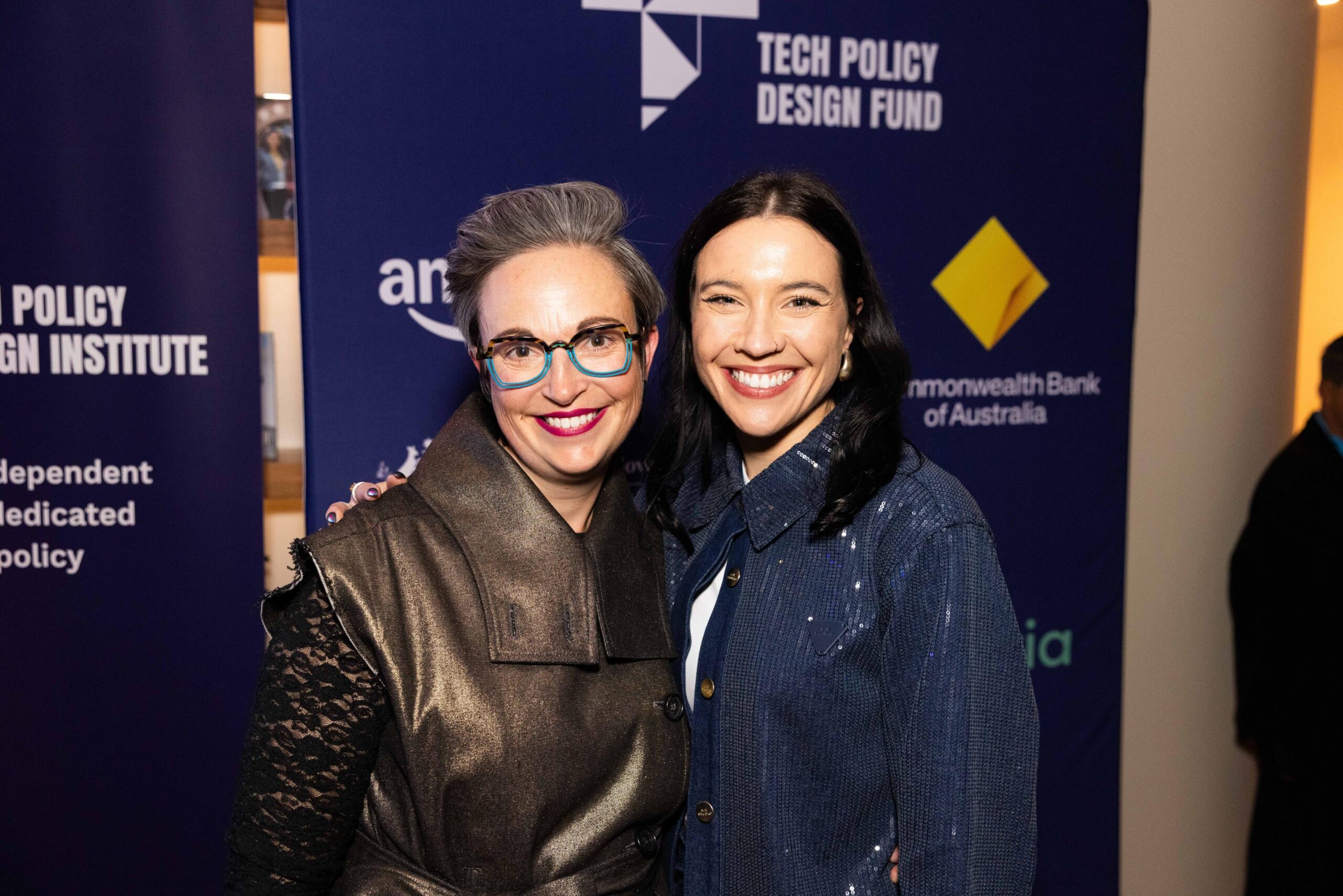
The event formally launched the Tech Policy Design Fund: a landmark multistakeholder initiative designed to support TPDi’s activities. The range of the Fund’s Founding Sponsors – government, Aussie companies, multinational companies, professional associations and philanthropy – reflects the strong demand for independent, ambitious, and expert-led thinking on how technology is shaping Australia’s future. Importantly, TPDi does not represent the views of fund contributors, who – as a condition of joining the fund – commit to respect and promote TPDi’s independence.
Thanks to our Founding Sponsors: Amazon, the Commonwealth Bank, the Australian Government Department of Finance, the Minderoo Foundation, the Australian Computer Society; the Department of Industry, Science and Resources; Qoria; Microsoft; Adobe; Apple; Atlassian; Macquarie Technology Group; and Salesforce.
▶️ TPDI’s independence is our most valuable asset. Learn more about our Blind Trust Funding Model












Release: Tetris for Australia’s Future: Aligning Our National AI Priorities
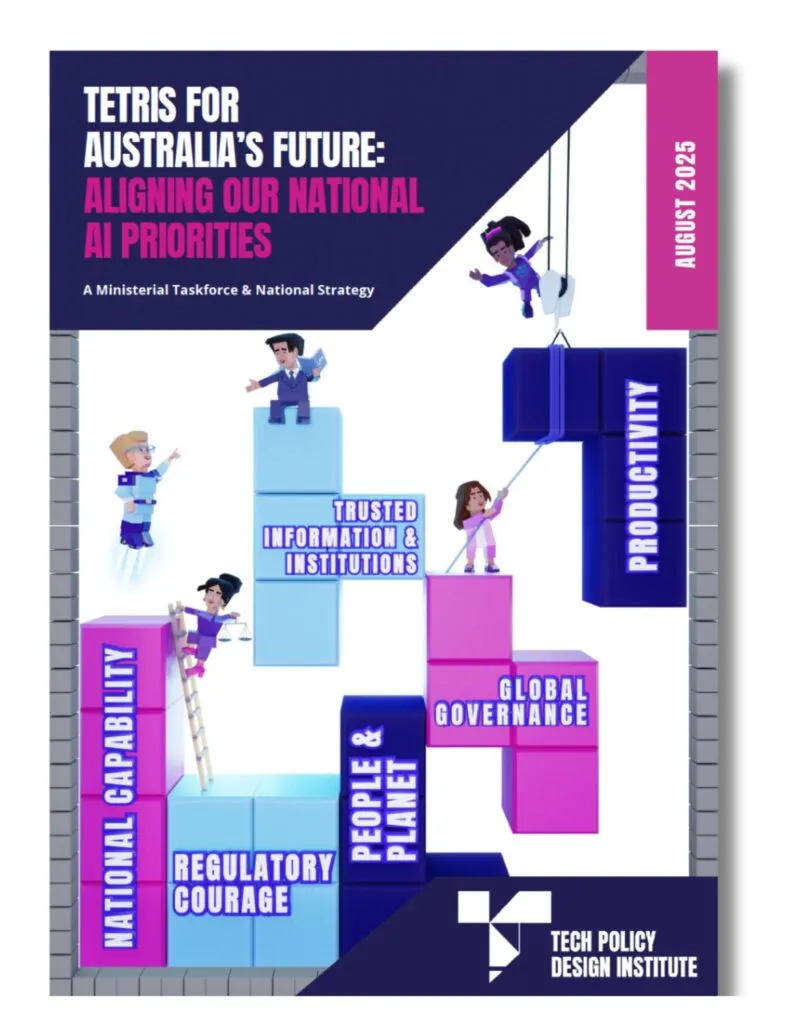
TPDi’s latest Tech Policy Spotlight, Tetris for Australia’s Future: Aligning Our National AI Priorities, calls for the Albanese Government to establish a Ministerial AI Taskforce to develop – and immediately execute – a National AI Strategy and Action Plan.
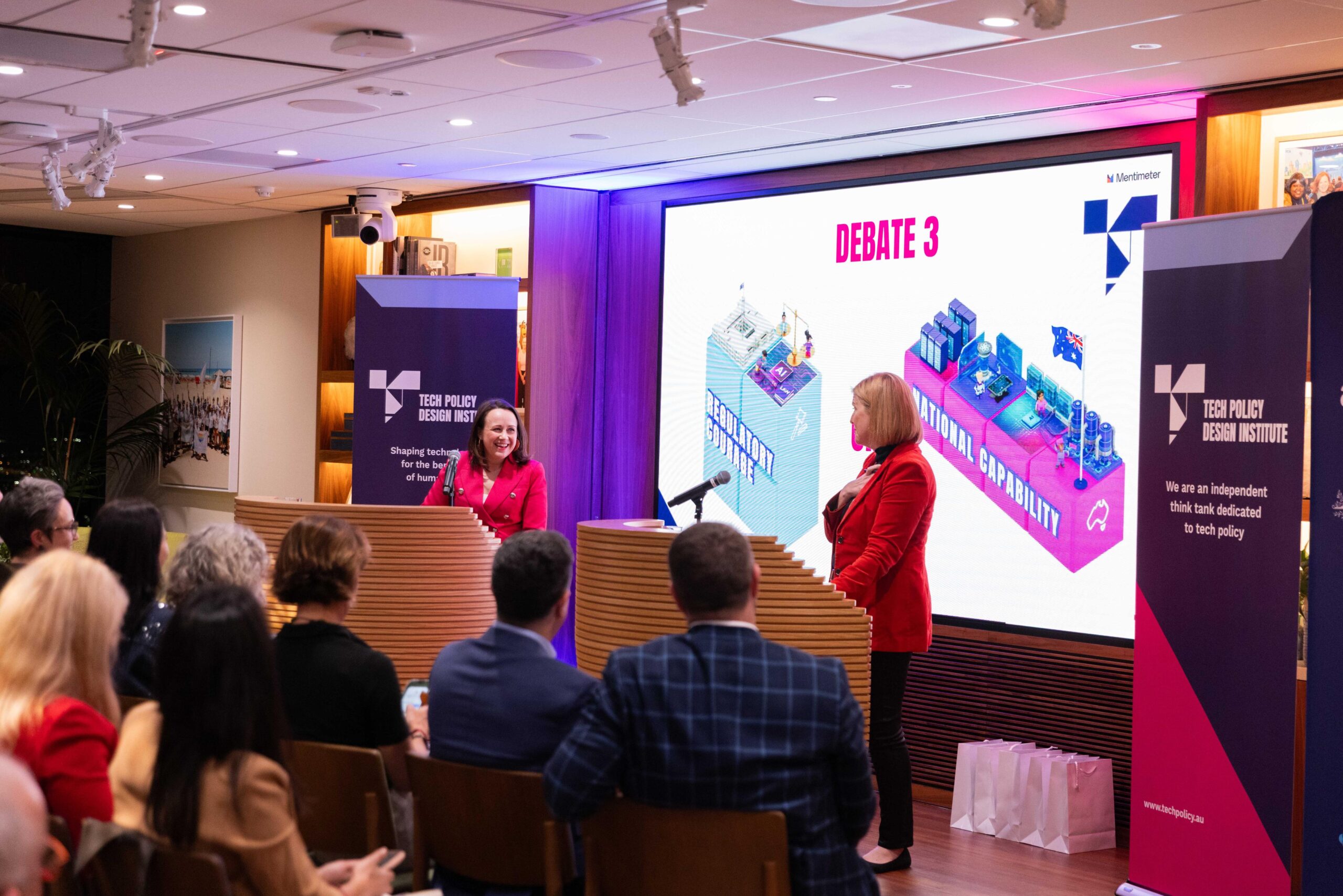
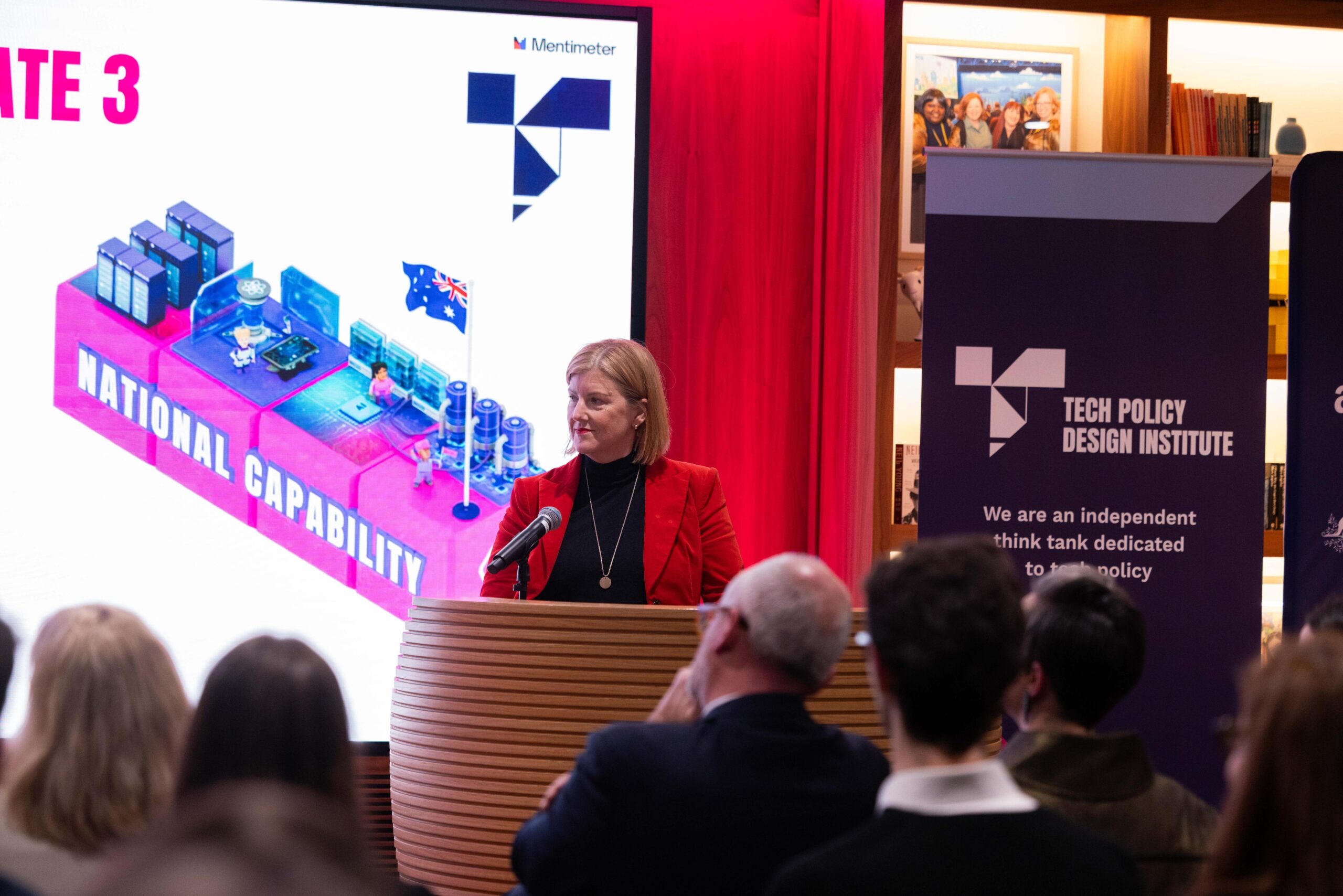
This Tech Policy Spotlight outlines six interconnected priorities, which combined represent a vision for what Australia’s future could look like if we get AI diffusion right. They are People & Planet; Productivity; Trusted Information and Institutions; Regulatory Courage; National Capability; and Global Governance.
Picture a game of Tetris: depending on the skill and strategy of the players, falling pieces may end up at odds or click smoothly into place. Today, these priorities sit across multiple portfolios and stakeholders without a single plan to connect them or articulate a clear vision.
▶️ Learn more about the 6 National Priorities in the full report
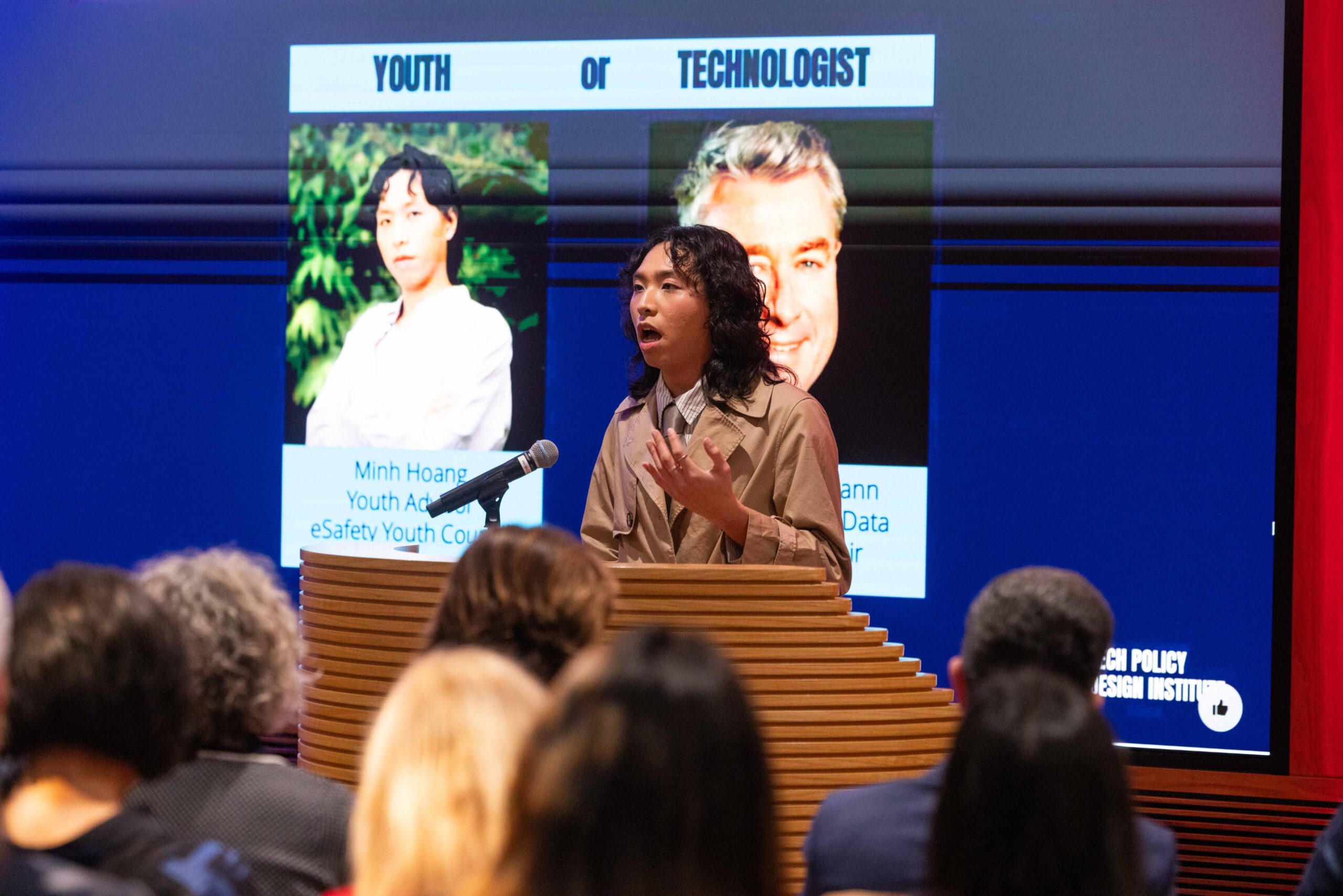
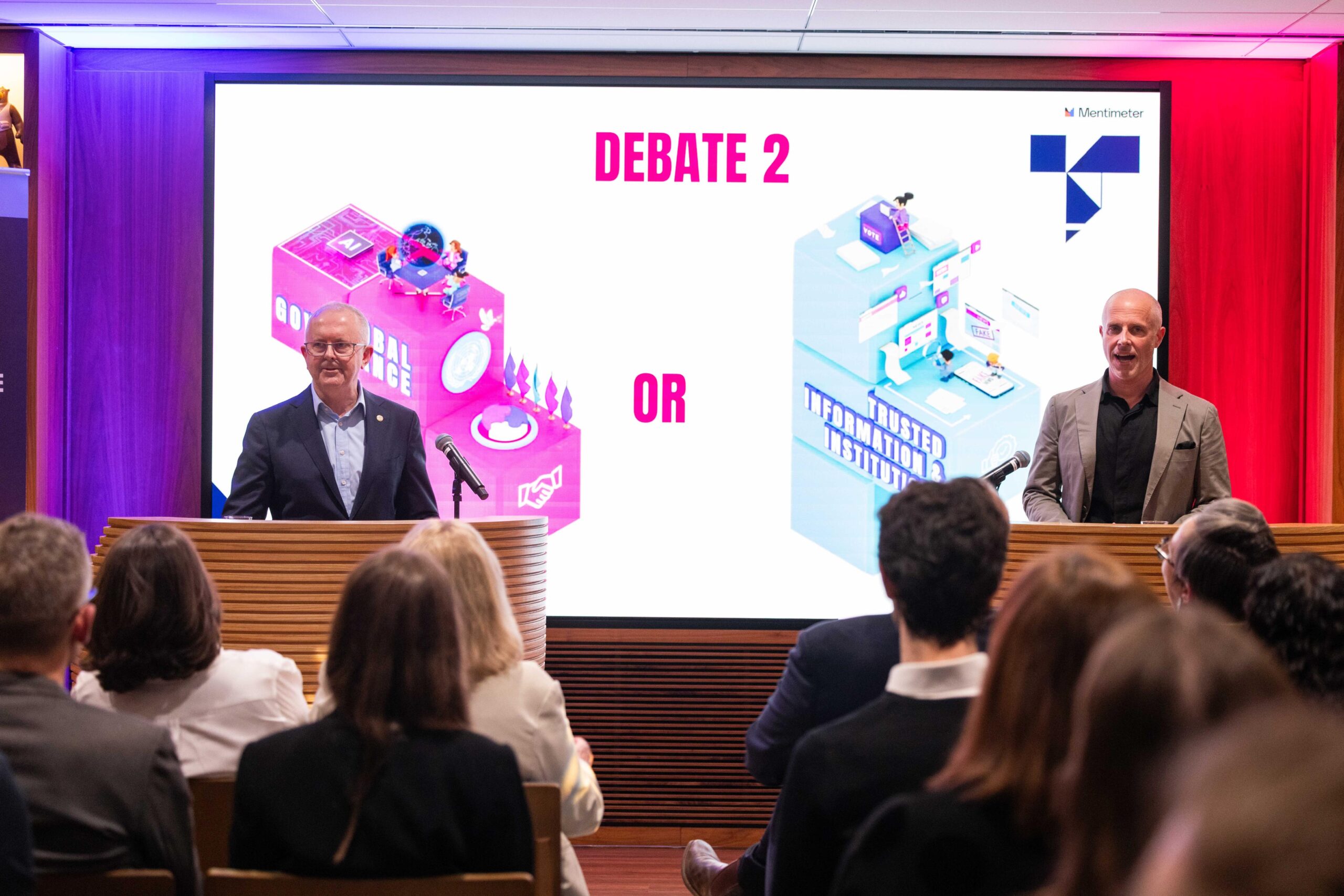
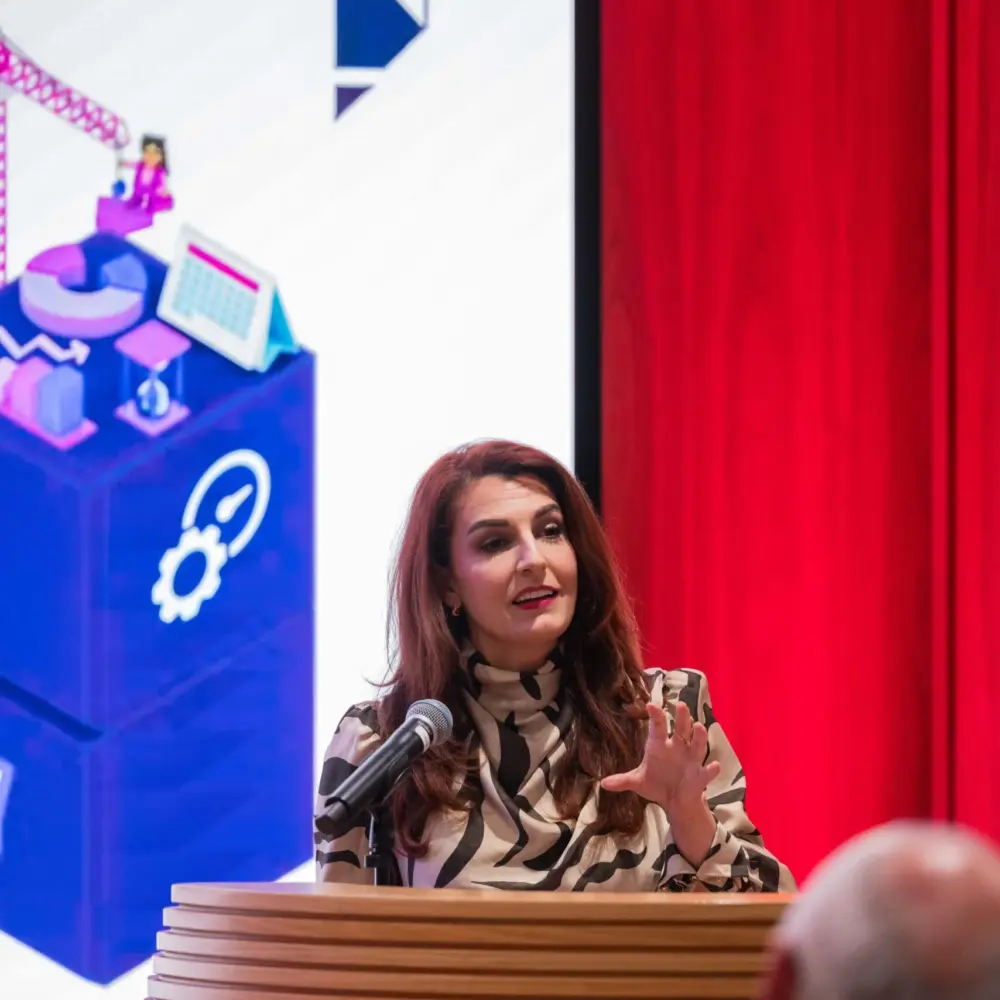
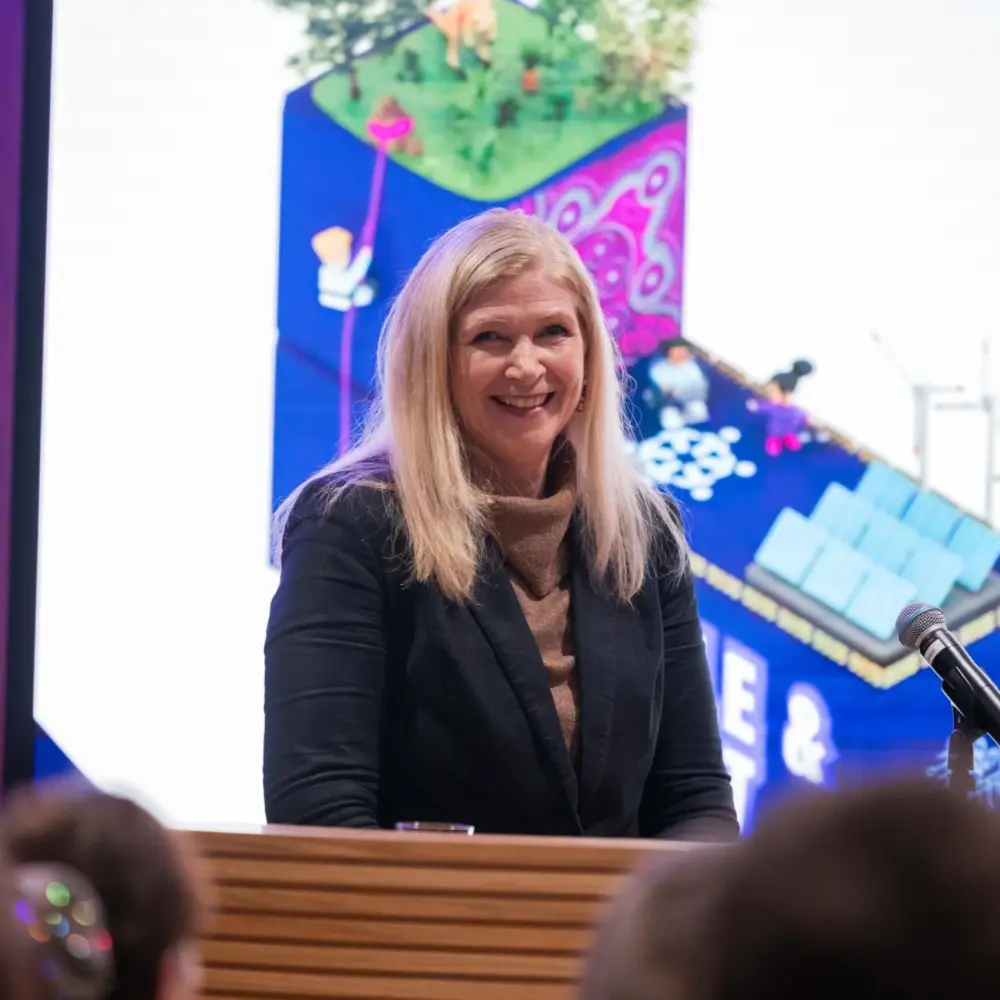
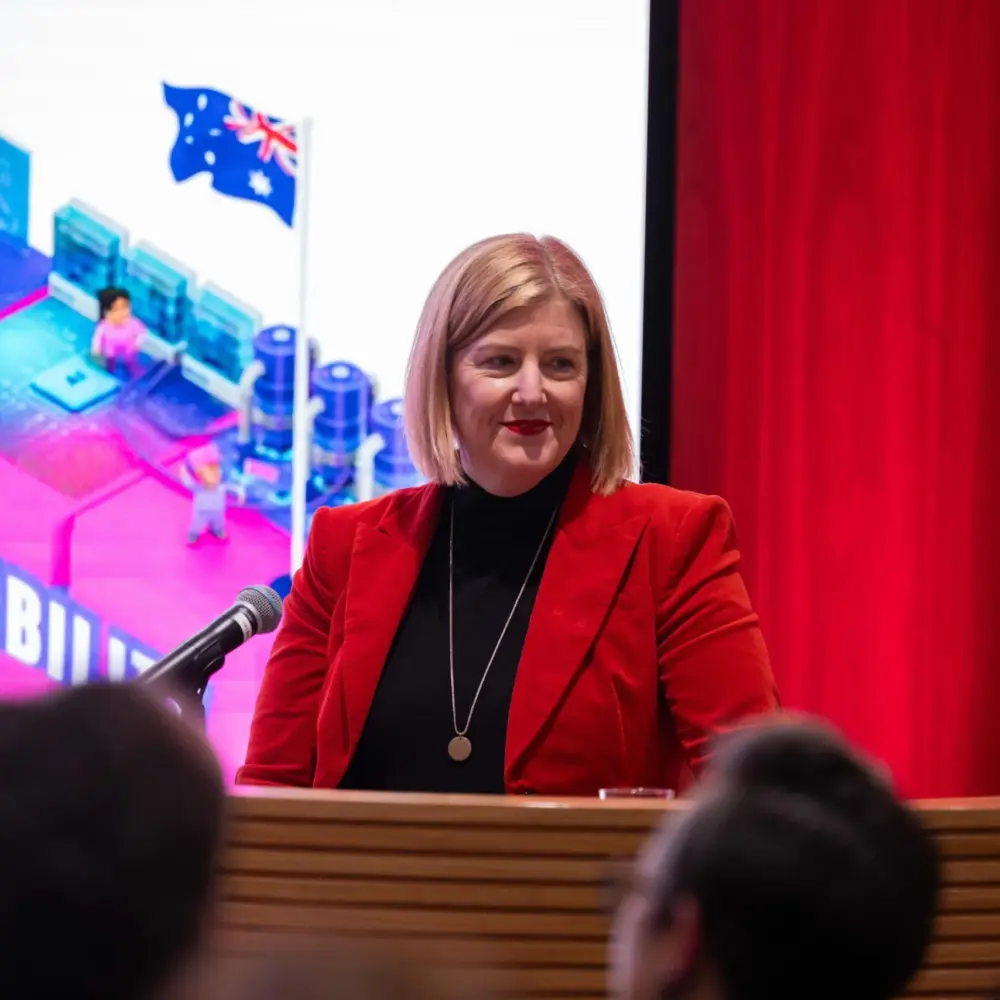
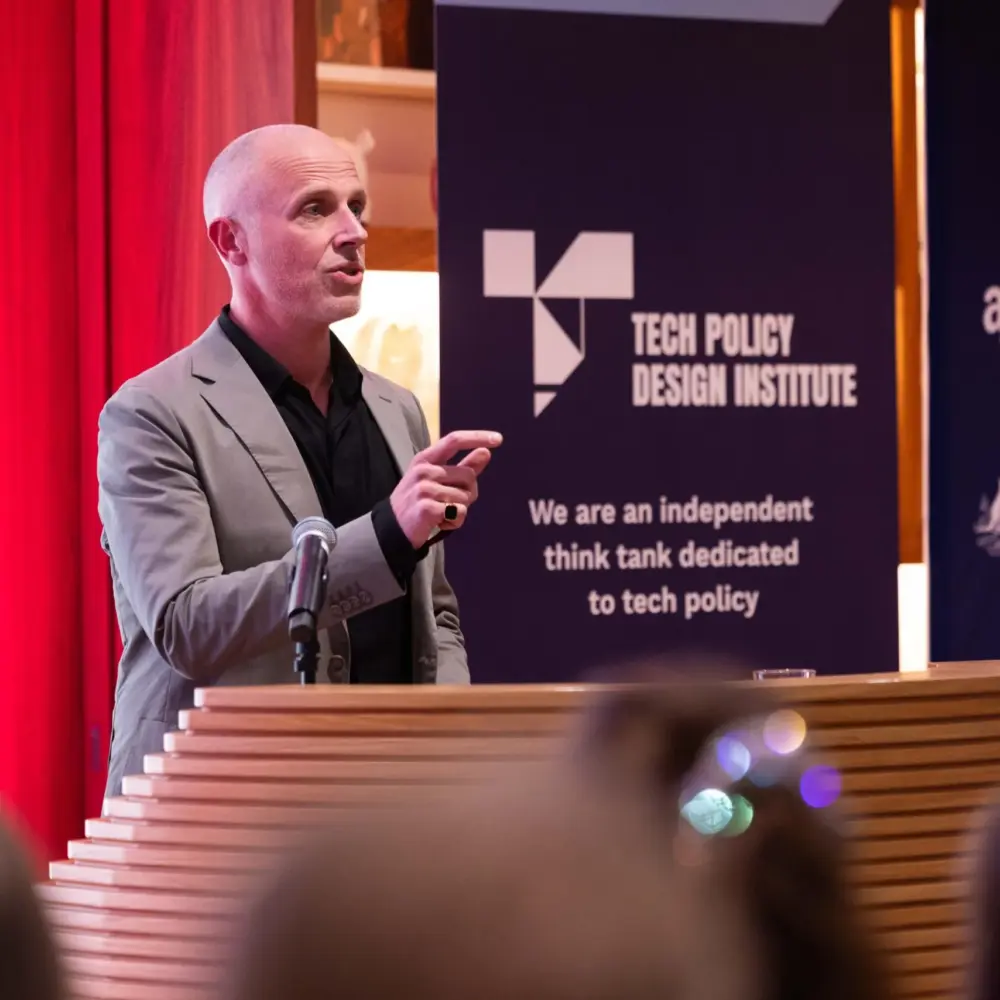
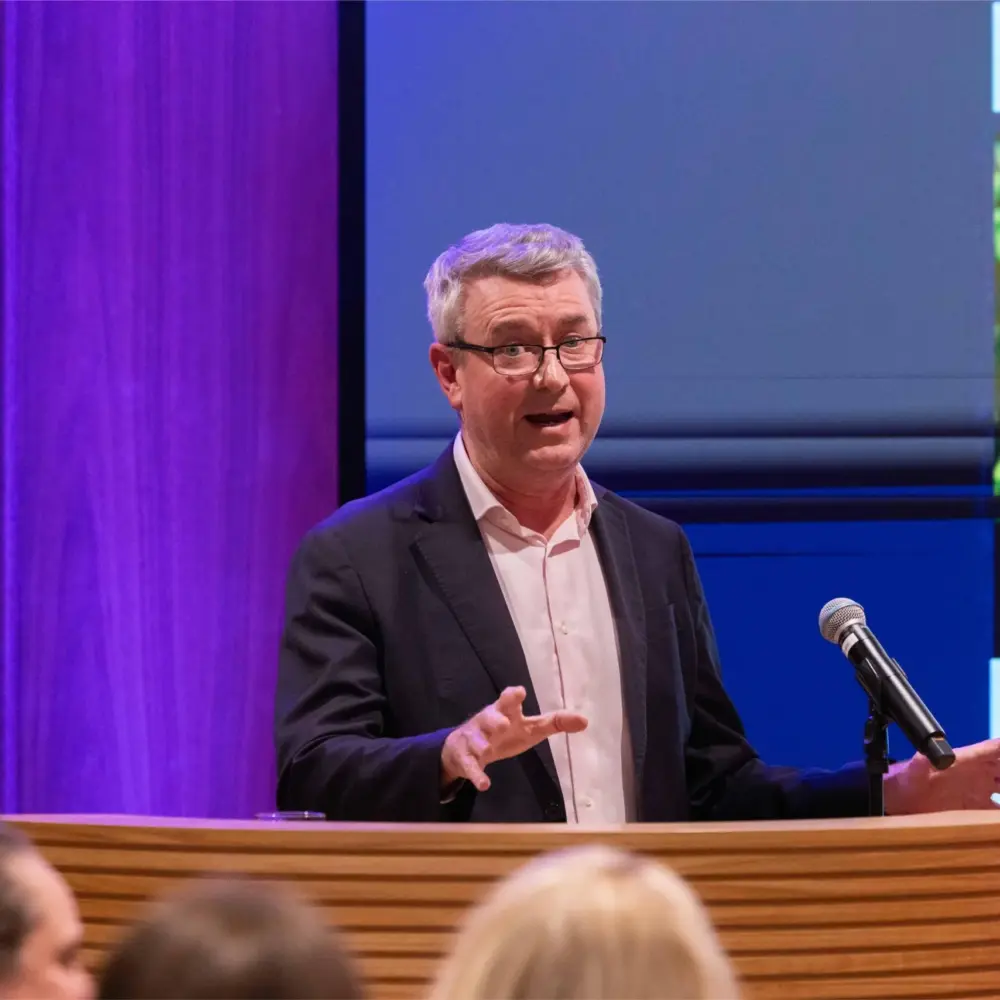
At our launch event, we held a live expert debate to stress-test the 6 Priorities in front of a cross-sector audience, demonstrating exactly why a coordinating Ministerial AI Taskforce and National AI Strategy is critical. We closed the debate with a Youth and Technologist perspective, to draw out these cross-cutting dynamics.
Thanks to our expert debaters:
- Dr Sue Keay, Director UNSW AI Institute
- Gisele Kapterian Senior Director for Public Sector Strategy, Salesforce
- Dr Tobias Feakin, Australia’s Inaugural Ambassador for Cyber Affairs & Critical Technology
- Tom Rogers AO Former Australian Electoral Commissioner
- Lizzie O’Shea Chair, Digital Rights Watch
- Sally-Ann Williams Outgoing CEO, Cicada Innovations.
- Minh Hoang eSafety Commissioner’s Youth Advisory Council;
- Dr Ian Oppermann Chair, Commonwealth Data Standards Committee


IN THE PRESS
▶️ Canberra urged to unify AI policy sprawl
▶️ Minister Ayers launches Tech Policy Design Fund
▶️ The Future of AI is Female: How the Game of Tetris Designs Australia’s AI Roadmap
Photo Gallery
What we need is evidence-based, thoughtful material for policymakers and business and civil society to consume and engage and argue with and use as the basis for policymaking in this area.
We’ve all got a responsibility here. I’m very keen to play my role. And I’ll always say to industry and industry participants, I want you to step up and participate in the debate and take responsibility for it as well.
I really am very grateful for this event – though your work is much bigger than one event – it’s a real honour to speak with you. I’m really excited about this think tank’s future, its leadership, its capacity to shape the debate.
Senator the Hon Tim Ayres, Minister for Industry and Innovation, Minister for Science