
AI Agency Acknowledgements
- AI Agency Tool and Simulation
- AI Agency Toolkit – AI Agency Tool Explainer
- AI Agency Report
- Australia’s 2025 AI Agency Assessment
- Sovereignty endures
Part 7 of TPDi’s AI Agency Toolkit: A connected set of resources for understanding and applying the AI Agency Tool.
The AI Agency Tool is the product of a collective research and policy design effort, shaped by contributions from experts, organisations and communities across Australia and internationally.
This page recognises the authors, peer reviewers, consultation participants, research foundations and supporters whose expertise and perspectives informed the development of the Tool and Australia’s 2025 AI Agency Assessment.
A collective endeavour
Authors
Zoe Jay Hawkins, Co-Founder and Deputy Executive Director, TPDi; Johanna Weaver, Co-Founder and Executive Director, TPDi; Rebecca Razavi, Visiting Policy Fellow, Oxford Internet Institute; Executive Director, UNSW Public Policy Institute; Meredith Hodgman, Head of Strategy and Engagement, TPDi; Vili Lehdonvirta, Professor of Technology Policy, Aalto University; Senior Fellow, Oxford Internet Institute; Mercedes Page, Visiting Scholar, Massachusetts Institute of Technology Sloan School of Management and Murray Lab. With invaluable contributions from Dorina Wittmann, Heidi Brockway and Helen Portillo-Castro.
Peer Reviewers
We are grateful for the invaluable feedback we received throughout the project from our peer reviewers (affiliations at time of review): Andrew Brodie, Eva Hopewell and Todd Phillips (Deadly Coders), Belinda Dennett (AirTrunk), Brendan Hopper (Commonwealth Bank of Australia), Clare Beaton-Wells (United Nations Youth Australia), Christina Wiremu-Brook (Kuria), Dave Lemphers (Maincode), David Masters (Atlassian), Dot West, Lyndon Ormand-Parker and Daniel Featherstone (First Nations Digital Inclusion Advisory Group), Prof Elanor Huntington (CSIRO), Ian Opperman (ServiceGen), Jamie Morse (Macquarie Technology Group), Josh Griggs and Pauline Fetaui (Australian Computer Society), Kate Conroy (Queensland University of Technology), Kyle Turner (Paul Ramsay Foundation), Lee Hickin (National AI Centre), Liam Carroll, Bill Simpson Young, Alistair Reid and Tiberio Caetano (Gradient Institute), Mark Stickells (Pawsey Supercomputing Research Centre), Nadia Court, Tanya Saad and Anna Gurevich (Semiconductor Sector Service Bureau), Rosie Hicks (Australian Research Data Commons), Sally Ann Williams (Australian Academy of Technological Sciences & Engineering), Scott Winch (Sax Institute), Simon Kriss (Sovereign AI Australia), Simon Spencer (Trideca), Dr Sue Keay (Robotics Australia Group), Taylor Dee Hawkins (Foundations for Tomorrow), Dr Tobias Feakin (Protostar Strategy), Tim Carton (CDC Data Centres), and Tim Moriarty (Muzo.ai).
Consultations
TPDi gratefully acknowledges the contributions of experts and organisations who participated in workshops, surveys, interviews and peer reviews that informed this project. Their participation reflects wide engagement across Australia’s technology, research, policy and civil society communities.
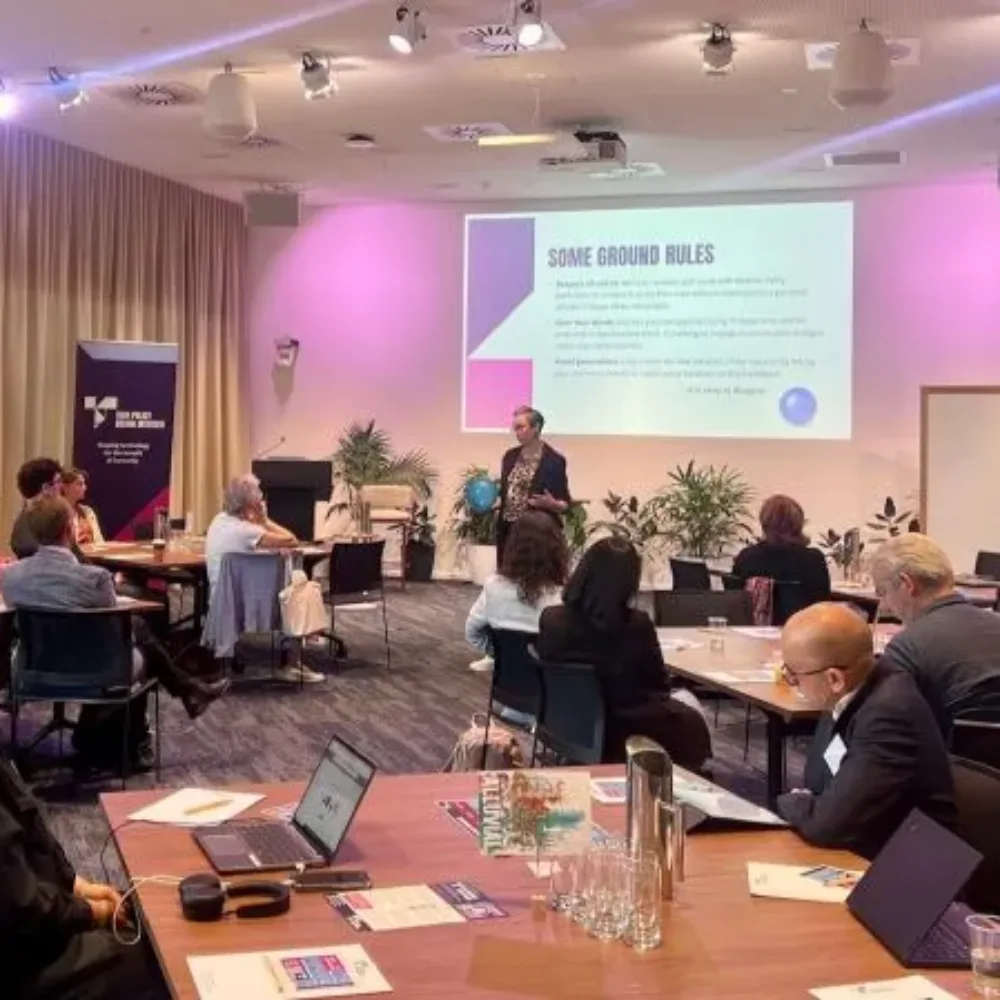
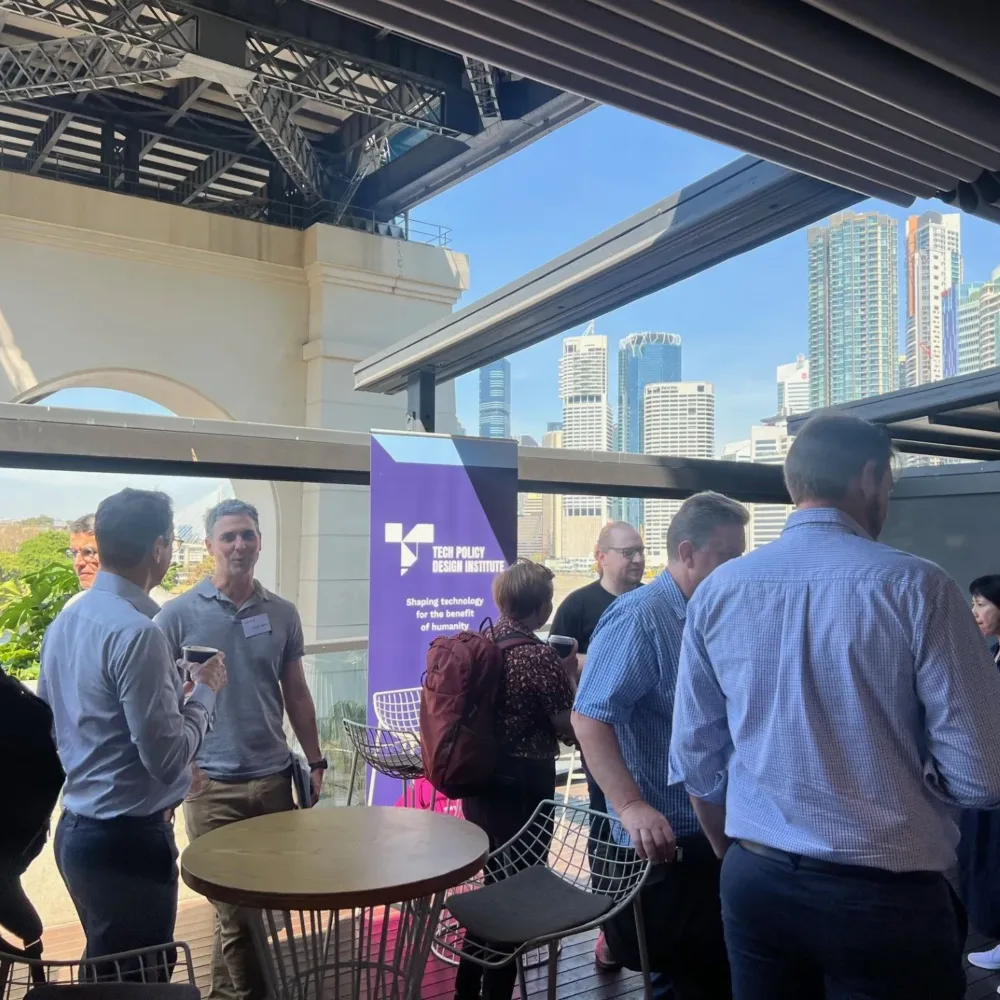
In September 2025, TPDi brought together over 250 individuals and 187 organisations across five cities, and online, to survey and map Australia’s AI strengths and define our path forward.
A special acknowledgment to the industry and research bodies that helped amplify the consultation process, with executive participation and opportunities for their members to contribute, including the Australian Academy of Science (AAS), Australian Computer Society (ACS), Australian Council of Learned Academies (ACOLA), Electronic Frontiers Australia Inc, IoT Alliance Australia (IoTAA), Digital Rights Watch (DRW), the Kingston AI Group, ARC Centre of Excellence for Automated Decision-Making and Society (ADM+S), Gradient Institute, Science and Technology Australia (STA), Tech Council of Australia (TCA), and the UNSW AI Institute.
A full list of the individuals and organisation who participated in the consultations is in an Annex of the Report – with thanks from team TPDi to each and every person. While developed through a collaborative process, the final report, assessment, analysis and all outcomes represent solely the views of TPDi and the authors.
A thanks to our supporters
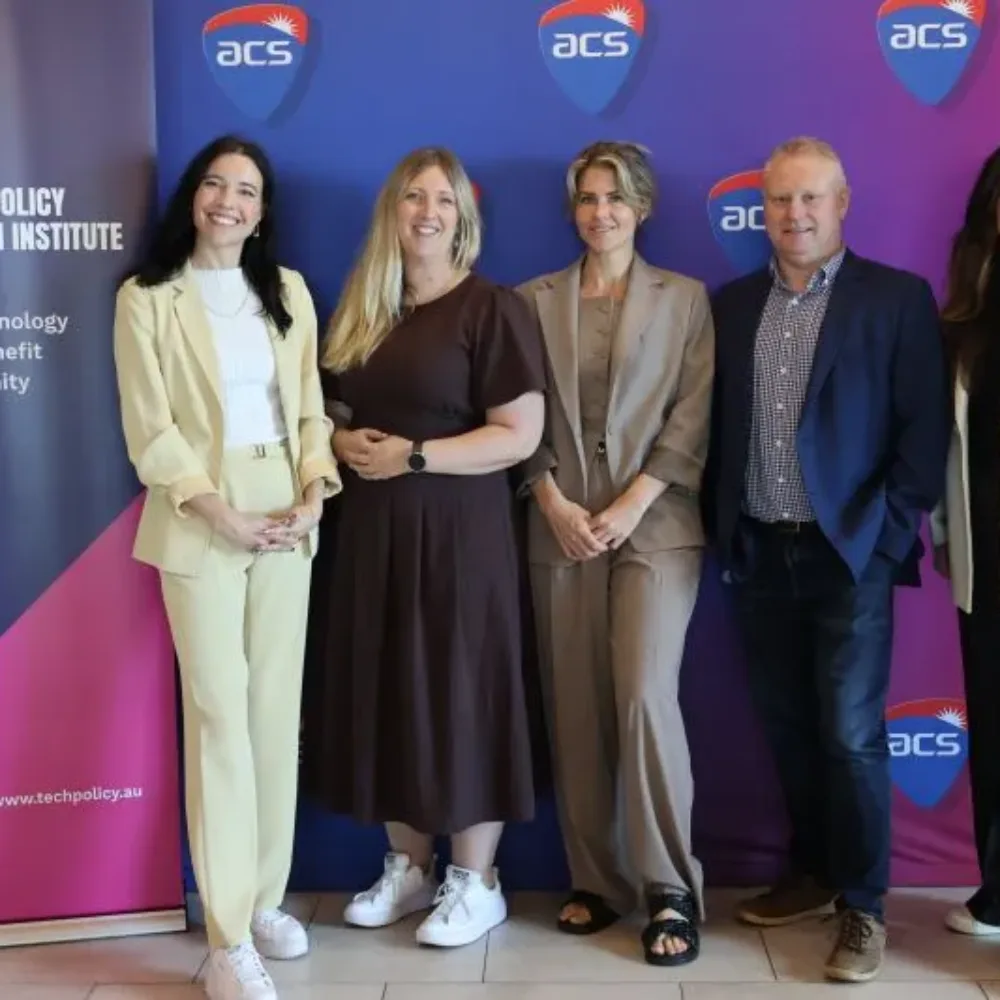
This project was made possible by the generous support of the Australian Computer Society and the Department of Industry, Science and Resources.


Building on previous work
The Final Report, Assessment and Analysis presented on this webpage build on the Discussion Paper, and the Draft Australia AI Capability Assessment, published by TPDi in November 2025.
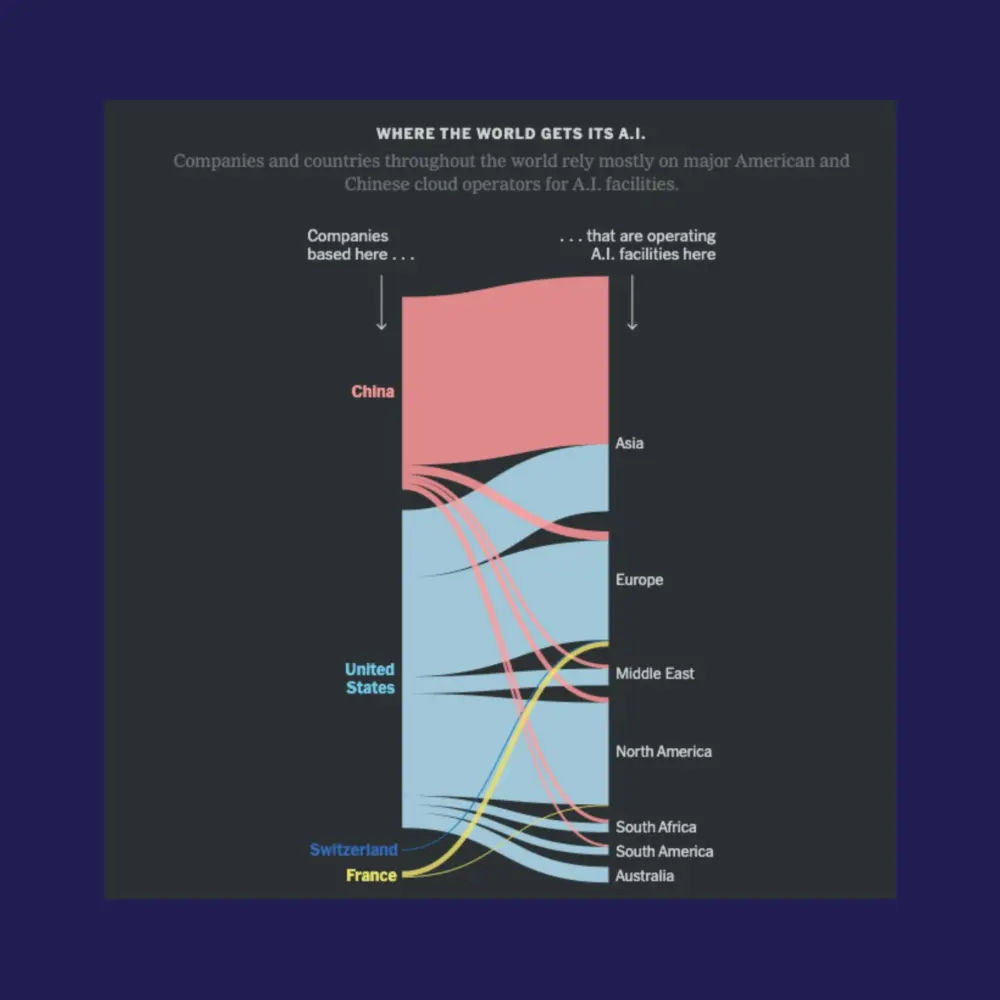
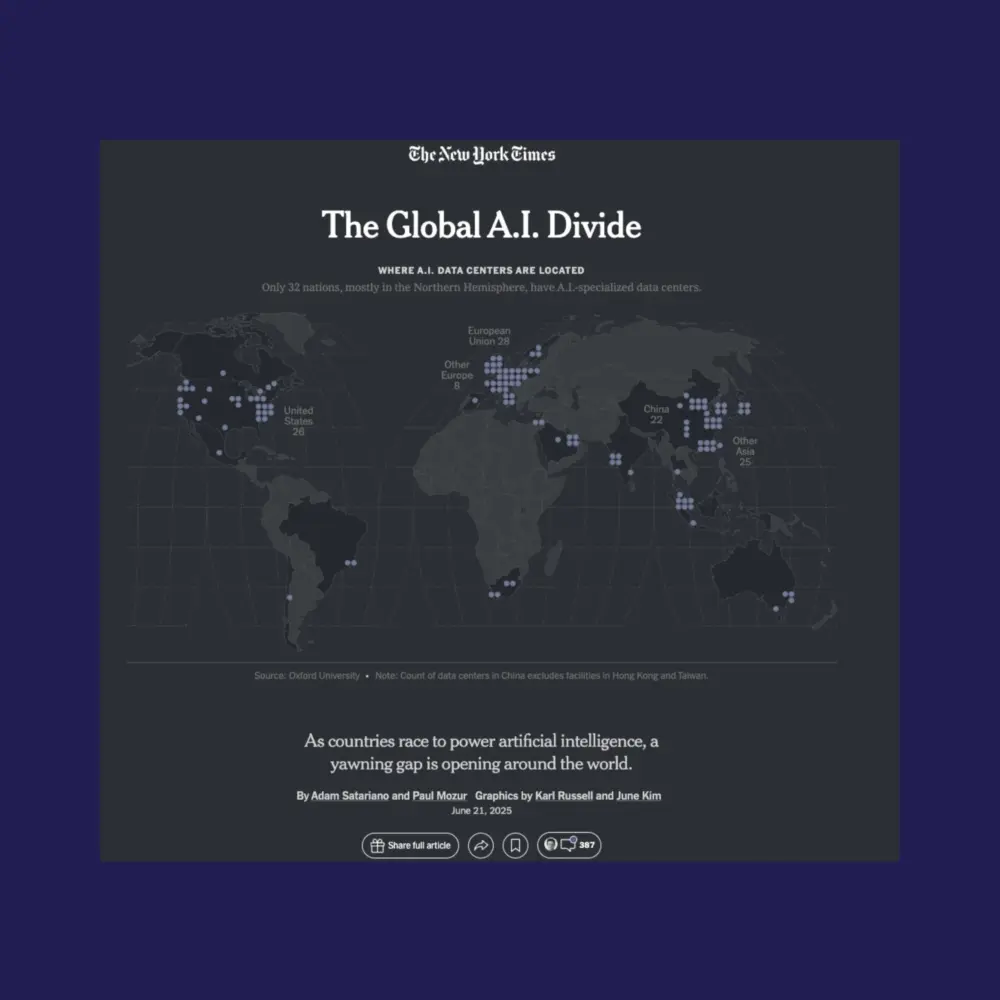
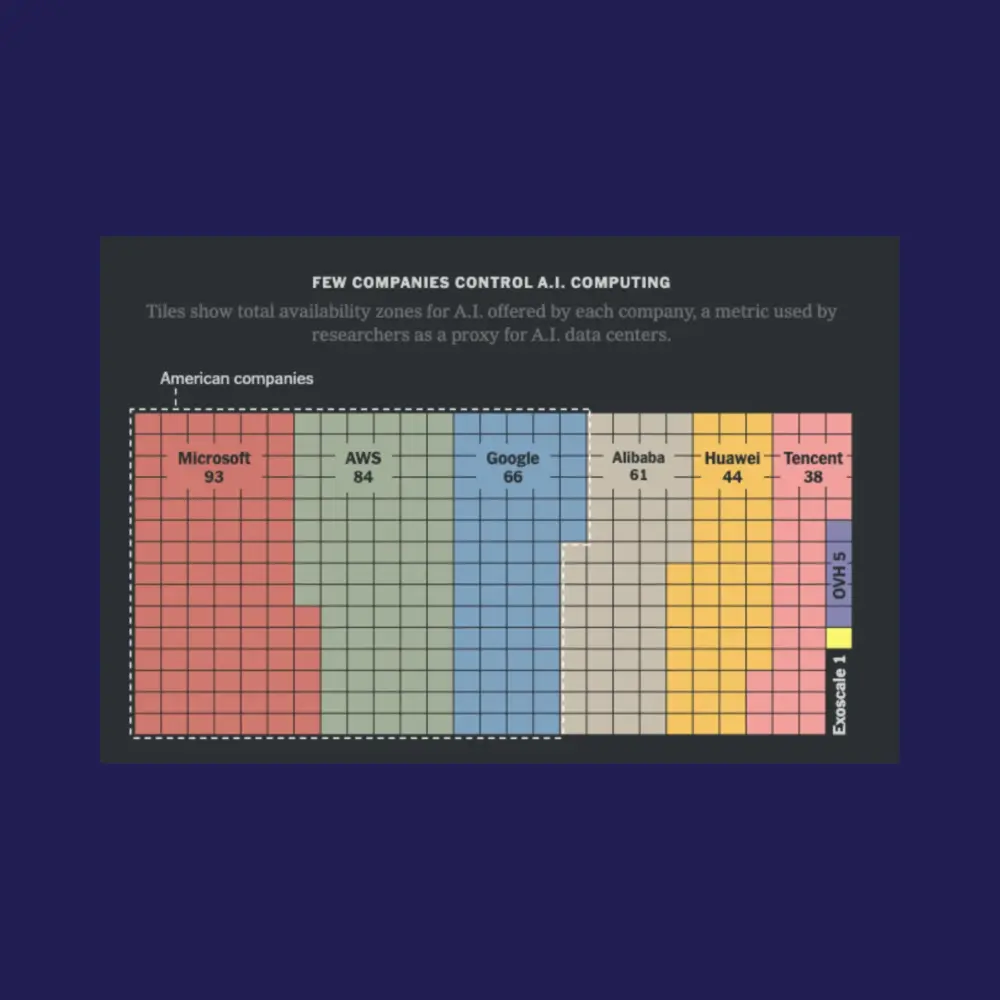
This work builds on longstanding research by TPDi Co-Founder Zoe Jay Hawkins and colleagues Vili Lehdonvirta and Bóxī Wú (Oxford Internet Institute, University of Oxford & Aalto University) on compute sovereignty, which has been featured by The New York Times, the Australian Financial Review, TIME Magazine, BBC, The Economist, The Financial Times, Forbes, and POLITICO (among others).
TPDi’s Independence
TPDi’s independence is our most valuable asset. As a registered not-for-profit, our work is supported by external funding. We only accept funding from entities that agree to be disclosed publicly and commit to respect and promote TPDi’s independence. TPDi does not represent the views of any of our funders; all outputs represent solely the views of TPDi and/or the authors. Learn more about TPDi’s blind trust funding model and how this protects and promotes our independence.